
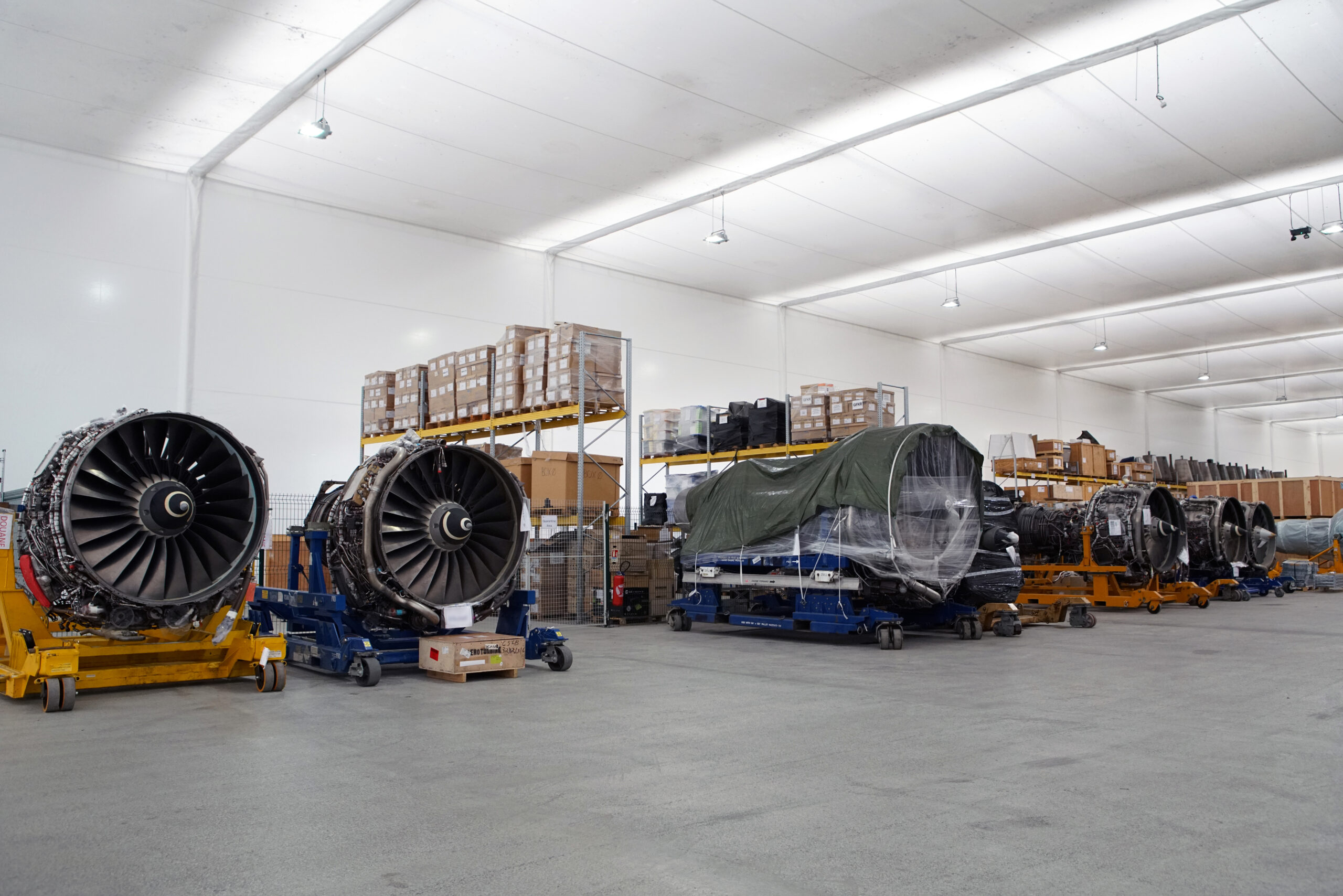
In the June issue of AviTrader MRO360°, Valentina Pilshchikova, Engines & Parts Trading Sales Manager at Vallair, shares with David Dundas the various aspects of end-of-life management for commercial aircraft.
“The choice to part out, store or sell an aircraft as a whole is fundamentally an economic analysis.
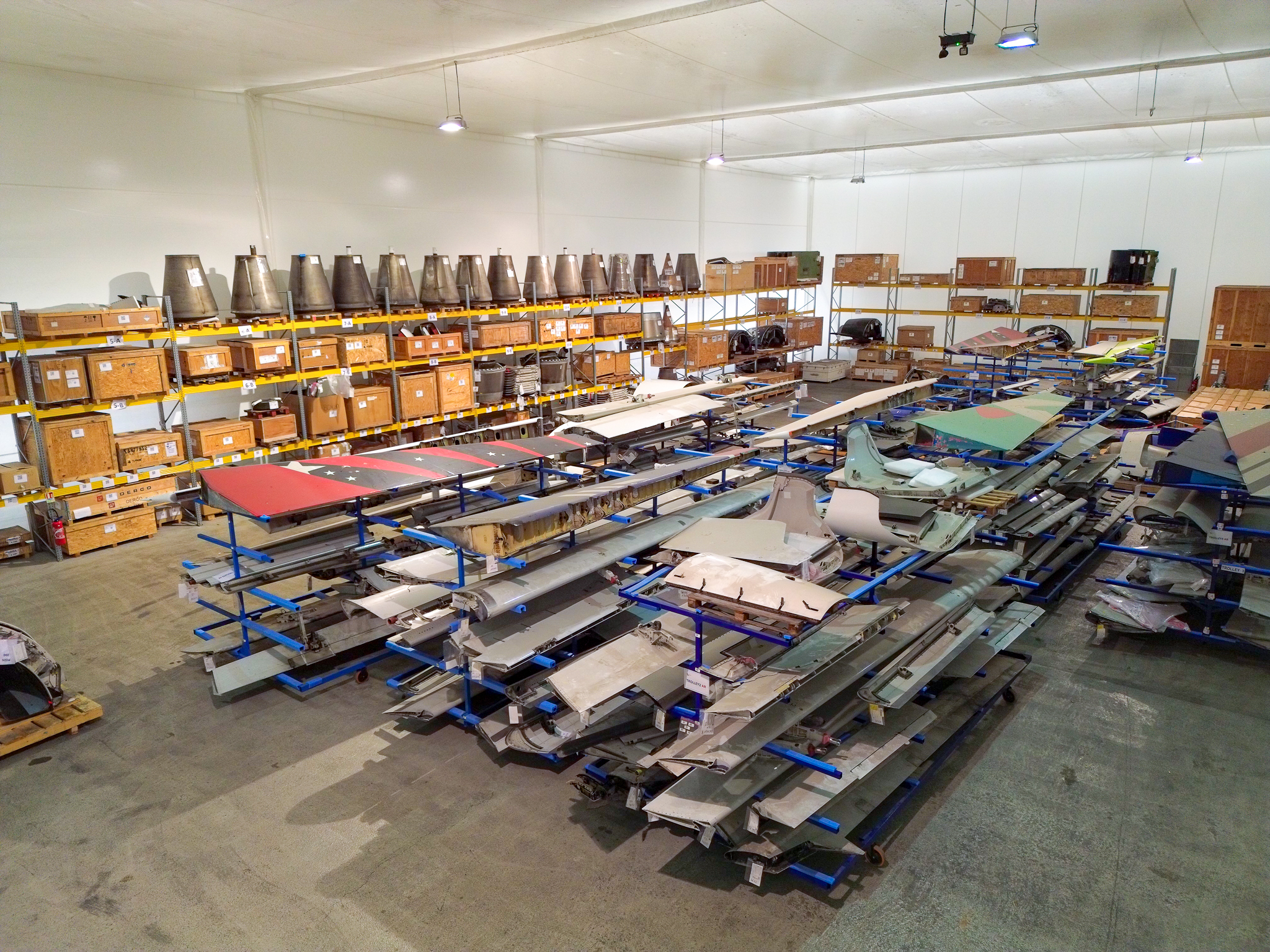
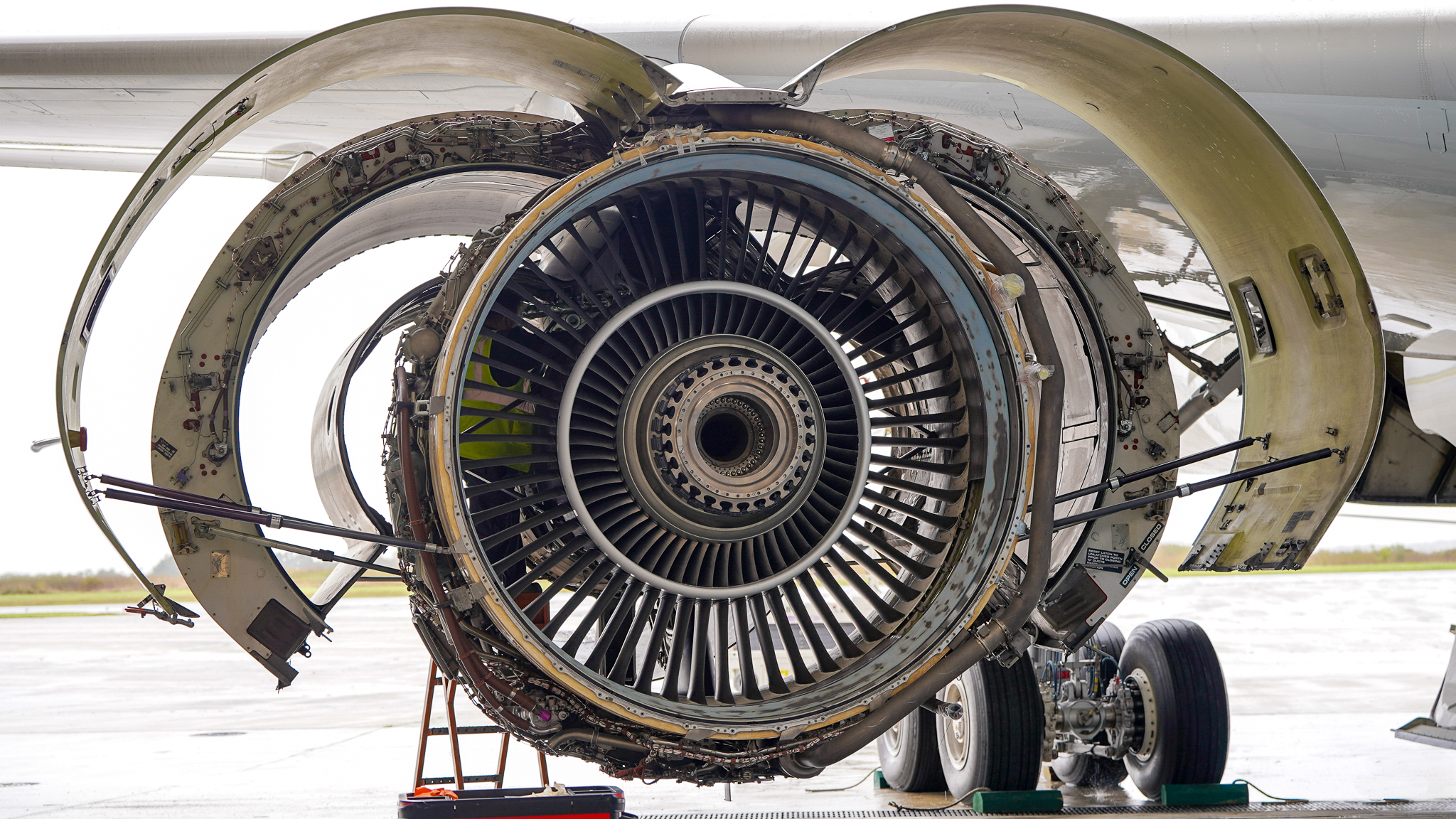
Deciding to part out is simple: do it if the value of the parts is higher than the value of the aircraft as a complete asset. It is straightforward when you consider that the market value for an engine, for example, can be twice its base value due to supply chain disruptions and technical issues. For instance, Vallair has observed that GTF engines on A320neo aircraft can command higher lease values than the value of an entire aircraft. We are seeing that relatively young aircraft with strong engines are being down because of this.
“Storage becomes the preferred option when current demand is weak or when the market makes it difficult to sell. Owners may wish to store an aircraft and depreciate the asset slowly, rather than sell it at a low price and realise the loss immediately. Then, when the market improves they can resume operation of the aircraft or sell it a more favourable price.
“Lastly, sale of whole assets may be the best choice for lessors who are faced with costly transitions for mature aircraft, in which case they may prefer to monetise their assets quickly.
“When deciding the fate of an end-of-life aircraft, the main driving factor is which option provides the fastest or best commercial return.”
To read the full article, click here.
Article courtesy of AviTrader.