

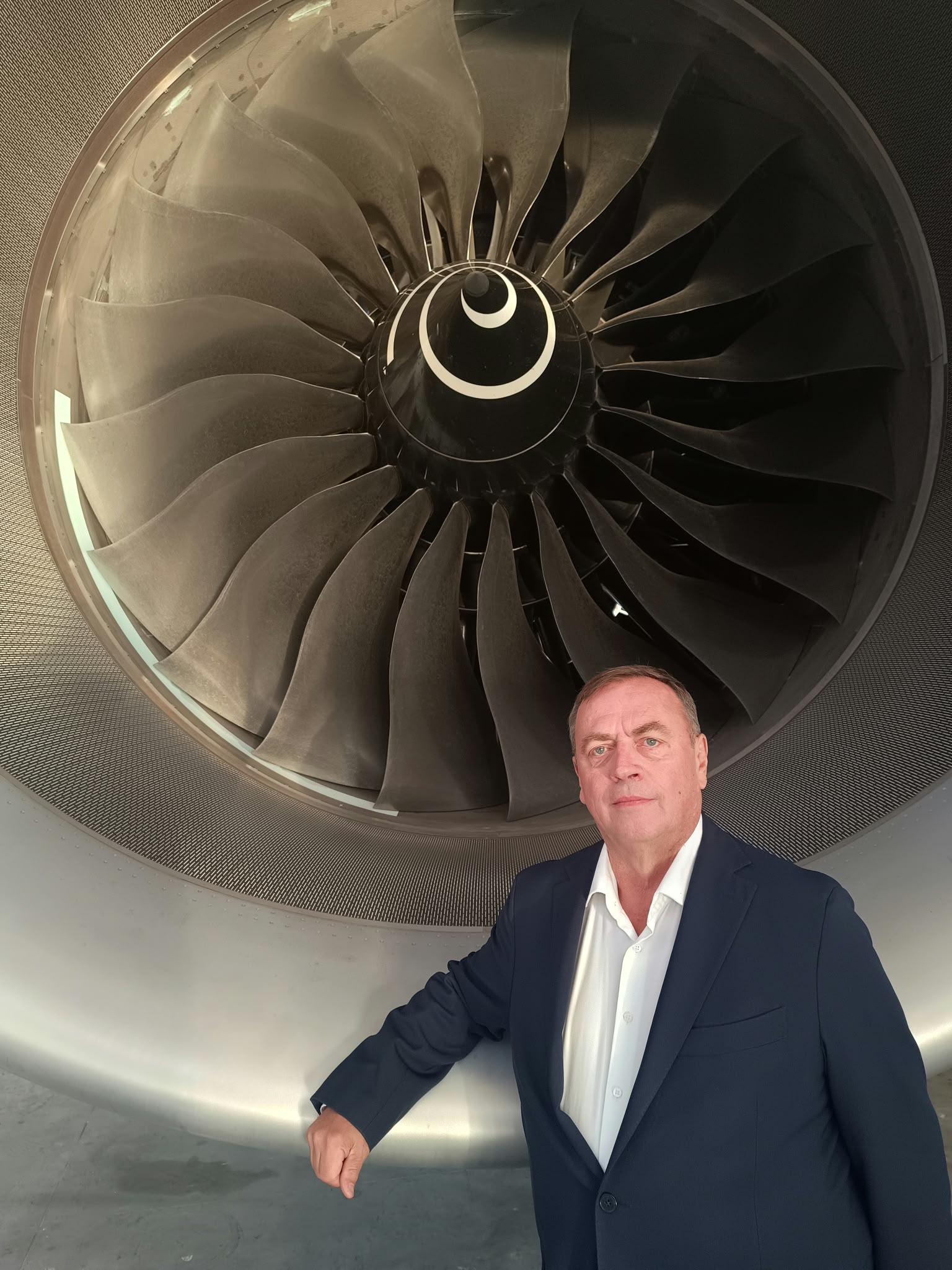
A familiar face, a fresh perspective: Vallair appoints Malcolm Chandler as MRO Sales Director – Lessors & Airlines
Châteauroux, 26 October 2026: Vallair, the multi-disciplinary MRO and mature aircraft asset specialist, has appointed experienced commercial expert Malcolm Chandler as MRO Sales Director – Lessors & Airlines. After gaining valuable international experience in a highly competitive sector, his appointment marks his return to the Company in a senior leadership role, where he will be responsible for the Company’s MRO activities throughout the department and across its two facilities in Châteauroux and Montpellier.
He returns to a business that is built for what next awaits the MRO landscape, bringing fresh and broad perspectives, valuable market insight and enhanced industry knowledge. Ready to drive commercial growth, he has identified maximising efficiency and future-proofing as his priorities across his remit of airframes, engines, and aerostructures. He will spearhead new business opportunities and strengthen partner relationships to deliver high-quality and cost-effective MRO services to customers.
He explains: “It is an exciting time to return to Vallair and I am looking forward to contributing to the next stage of development. The Company has undergone significant transformation, through change, investment, and a renewed leadership team. However, it has maintained its commitment to technical excellence and operational reliability. We are concentrating on building on these fundamentals, consolidating our services and making significant investments to ensure we evolve with the needs of our customers. With our latest A330 NEO maintenance approval, for example, we are expanding our capabilities so that we can offer the highest-quality, most cost-effective solutions for flag carriers, lessors and airlines within our geographical footprint.”
Pascal Parant, Chief Commercial & Marketing Officer at Vallair Group, welcomes Chandler’s return to the Company: “Malcolm has a strong reputation for business development across the airline and lessor sector and a proven track record for driving impact. He returns to a company which he knows but which has evolved: over recent times, Vallair has taken decisive steps to strengthen its capabilities and invest in its people. A respected and well-known industry figure, Malcolm brings a deep understanding of customer needs and a sharp sensitivity to the nuances of the market. He is uniquely placed not only to support the Company through its ongoing growth, but also reinforce the standards that matter most to aircraft owners, lessors, asset managers and MRO partners.”
Chandler is working closely with internal MRO and commercial teams to implement restructuring measures and streamline workflows across Vallair’s range of airframe services, including full base maintenance, lease transfers, parking & storage, painting and teardown. The Company’s approvals cover A330 CEO/NEO, A340-300/-600, A320 CEO/NEO and 737 aircraft, with further new generation aircraft, both narrow and wide body, progressively being added. Chandler’s scope also encompasses engine activities, such as storage, part out and light repairs, as well as services for aerostructures.

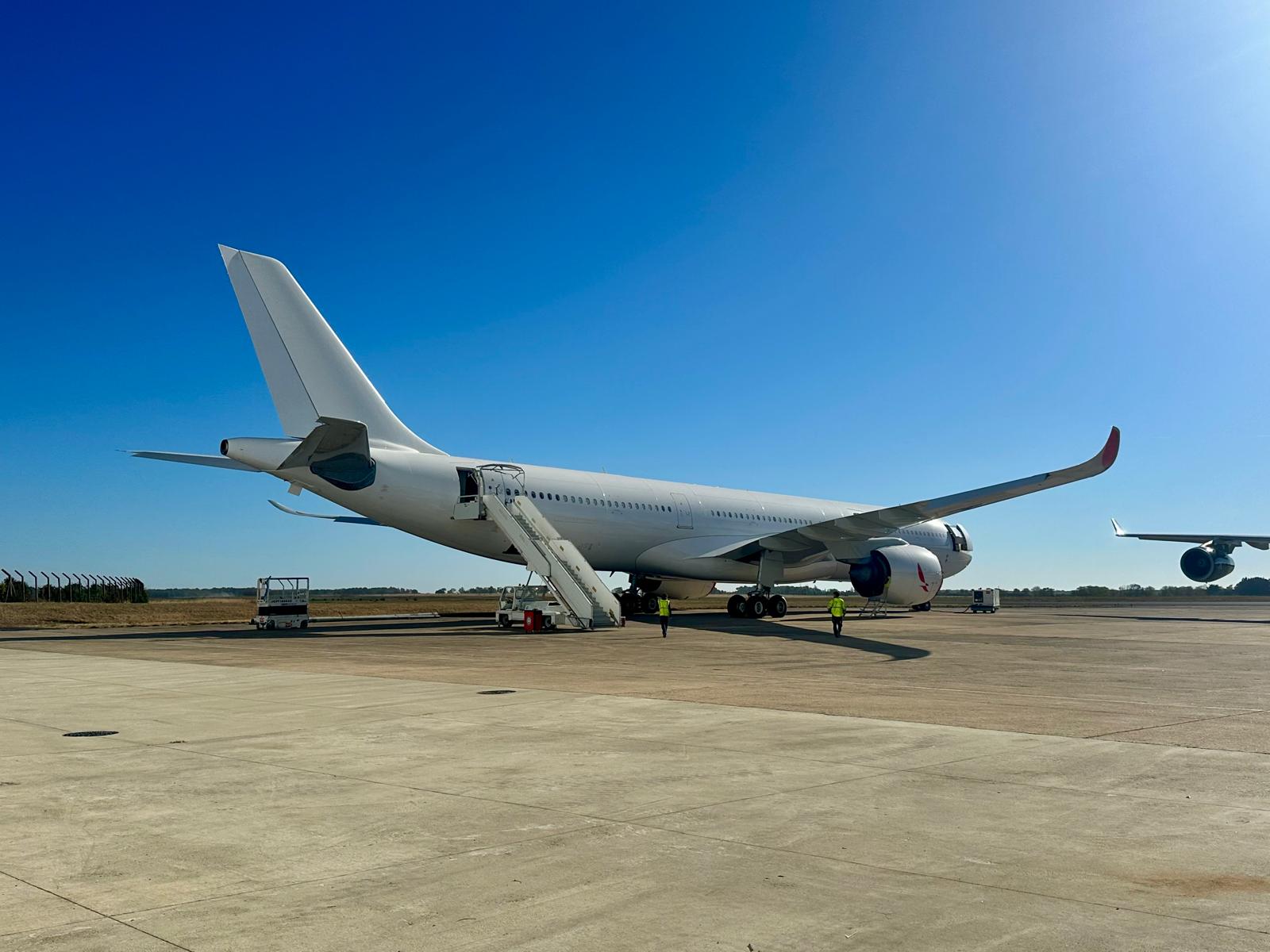
Vallair celebrates arrival of first A330 NEO for base maintenance at Châteauroux facility in France
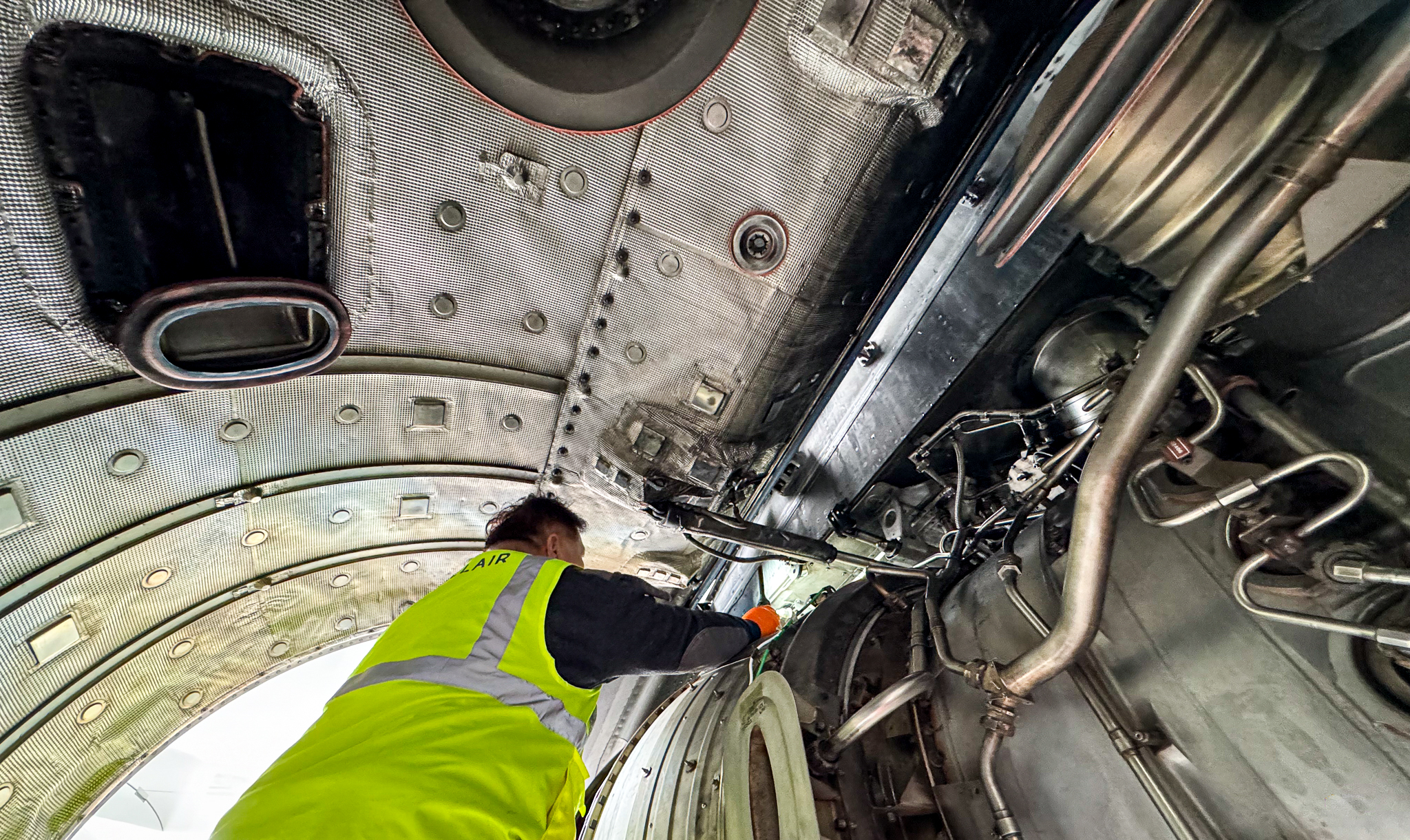
Châteauroux, 21 October 2026: Vallair, the leading MRO and asset management service provider, has received its first A330 NEO to arrive for maintenance following attainment of the type rating approval in the summer. The aircraft, operated by a South American airline, is undergoing full base maintenance at the Company’s state-of-the-art facility in Châteauroux, France.
François Fermaut, Director of Operations – Châteauroux, comments: “The arrival of the first A330 NEO is a welcome sight, it is always energising to exercise new capabilities and bring more benefits for customers.”
He elaborates: “Our expansion into the A330 NEO platform has come at an exciting time. The aircraft type is experiencing a period of increasing adoption by airlines and demand has risen for qualified maintenance providers such as Vallair. With just under three hundred orders still to be delivered by Airbus, Vallair predicts that demand for MRO on the A330 NEO will only continue to surge in the coming years.”
Grégoire Lebigot, CEO of the Vallair Group, compounds: “The addition of this capability is a testament to our dedication to our customers. We understand that operators are increasingly turning to the A330 NEO for value, versatility and efficiency. Perceptive to this evolution, we have made ourselves ready to meet the maintenance demand for customers across the platform. Our approval, and now this first aircraft, signifies the latest in a comprehensive growth campaign to expand our capabilities in parallel with market needs.”
Lebigot continues: “The continuously evolving geopolitical situation in the Middle East has also prompted operators to look back at Europe for MRO and asset management opportunities. As such, it is becoming increasingly important for European providers to have capacity to deliver. Vallair is well placed not only to meet requirements but also to provide a competitive offering in the region, underpinned by extensive investment to capabilities as well as the workforce, as evidenced by the operations of the Company’s in-house technician training centre, Aircraft Academy.”
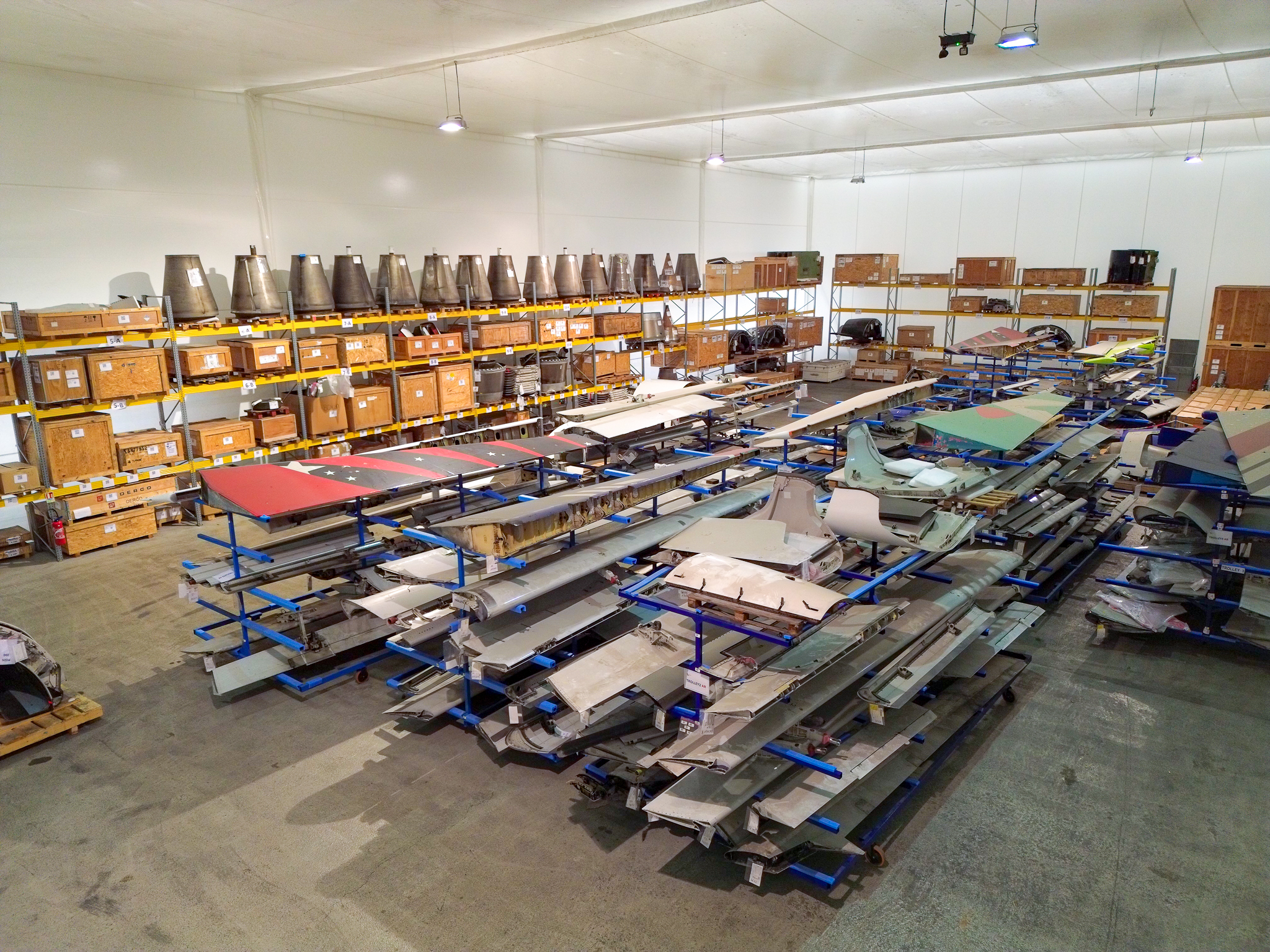
AviTrader MRO360° - Component Support for Ageing Aircraft
Recently, Pascal Parant, Chief Commercial Officer at Vallair, shared his insights on component support for ageing aircraft in AviTrader MRO360°.
“When determining whether a component should be repaired, overhauled, exchanged or replaced, you must consider pure economics in each case. If considering repair or overhaul, ask yourself if there is a cheaper solution. There may be special agreements with the OEM, offering discounts on new parts, or equivalent USM is readily available on the market at a lower cost. Similarly, not every component needs a full overhaul. Sometimes a repair is sufficient, or only certain sub-assemblies need to be overhauled, making the overall shop visit much more economical. Optimising in this way requires deep knowledge of the asset and its components to select the most appropriate solution.”
To read the full article, click here.
Article courtesy of AviTrader.
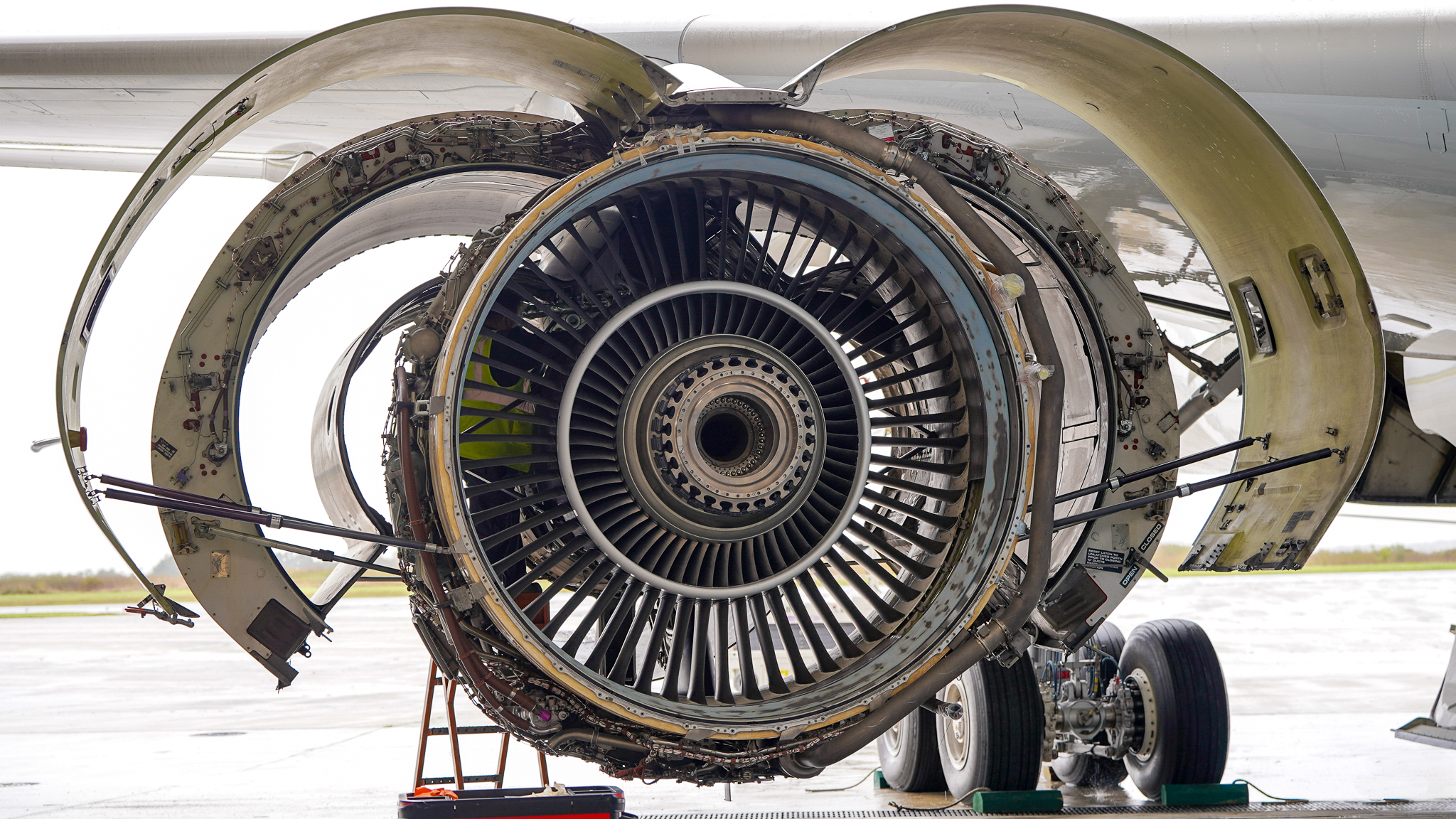
Freighter Trends - Engine Leasing Demand
Valentina Pilshchikova, Director Asset Trading at Vallair, recently spoke to Freighter Trends about demand for engine leasing.
In the article, Pilshchikova shares the current outlook of the engine leasing market, where demand remains strong due to delivery and supply chain delays and technical and inspection-related challenges with newer engines.
“This trend is further accelerated by the fact that some lessors can generate higher revenues by leasing engines while parking the airframe rather than leasing the entire aircraft. Vallair also anticipates an acceleration of demand with the former Spirit fleet, as both GTF and V2500 operators continue to suffer from long induction queues and extended turnaround times.”
To read the full article, click here.
Article courtesy of Freighter Trends.
Freighter Trends - MRO Demand
In a recent issue of Freighter Trends, Valentina Pilshchikova, Director Asset Trading at Vallair, shared industry insights into the current demand for MRO.
She states: “Global demand for aircraft maintenance is very strong and continues to grow, particularly for heavy maintenance. Deliveries of new aircraft are still delayed so airlines are continuing to keep aircraft in service longer. According to Aviation Week’s latest forecast, the global MRO market is expected to generate around $1.6 trillion between 2026 and 2035, with annual
growth of around 3.2%.
“The biggest growth is coming from narrowbody aircraft such as the Airbus A320 family and Boeing 737. Engine maintenance is the largest segment of the market, representing about 53% of total MRO demand, and is expected to grow faster than other maintenance categories. At Vallair, we are experiencing high demand for spare engines, USM, and leasing solutions as airlines focus on maximising fleet utilisation.”
To read the full article, click here.
Article courtesy of Freighter Trends.
Vallair welcomes you to MRO Europe
Meet us in Amsterdam at MRO Europe!
Visit Booth #1-1040 to learn more about our MRO | ASSETS | TRAINING services.
We’ll be there from Wednesday 28th – Thursday 29th October.
Visit mroeurope.aviationweek.com for more information.

Vallair Group appoints Valentina Pilshchikova as Director Asset Trading
Luxembourg, August 3rd 2026: Vallair, the multi-disciplinary MRO and mature aircraft asset specialist, has appointed experienced technical expert, Valentina Pilshchikova, as Director Asset Trading. Responsible for Vallair’s trading activities for both aircraft and engine assets, she will focus on the development of new business opportunities, strengthen relationships with customers and partners, identify asset acquisition and sales opportunities, and work closely with internal teams to deliver the best solutions for customers.
Pilshchikova joined Vallair in 2018 as a Purchasing Administrative Officer. Since then, her career has progressed to Material Sales & Market Analyst and then Engine & Parts Trading Sales Manager. With more than fifteen years of international commercial experience and over seven years in aviation, her engineering background affords a deep technical understanding. “I enjoy solving problems, finding practical solutions and creating value for everyone involved,” she says.
“Each role at Vallair has helped me grow professionally, build a deeper understanding of the aviation business and prepare me for this new challenge.”
Vallair’s Asset Trading division engages with a broad spectrum across the aviation industry, including airlines, lessors, traders, MROs and other business partners and Pascal Parant, Chief Commercial & Marketing Officer at Vallair Group, welcomes Pilshchikova into her new role. “At Vallair, we understand that every customer has different needs,” explains Parant. “Valentina has a special combination of technical and commercial awareness and she is ideally placed to help airlines to maximise the value of their assets and provide flexible solutions that support their operations. For lessors and asset owners, she and her team combine technical expertise with market knowledge to help maximise the value of their investments. As an organisation, we aim to be a reliable, responsive and trustworthy partner for traders and MROs – focused on building long-term relationships and finding solutions that benefit everyone.”
Pilshchikova sums up by saying, “I believe that people do business with people they trust. Building strong relationships has always been the most rewarding part of my job. I try to be open, reliable and solution-oriented, and I believe that when you keep your word and work towards a common goal, success follows naturally.”
Vallair and Aircraft Academy join forces with UIMM Indre to celebrate the growth of training in the department
On 2 July, the Union of Metallurgy Industries and Trades (UIMM) Indre held its ceremony for the Joint Metallurgy Qualification Certificate (CQPM) at Aircraft Academy, the aeronautical training centre of the Vallair group, based in the Châteauroux-Déols airport zone.
That same day, at the Annual General Meeting of the Indre metallurgy chamber, UIMM Indre and Aeronautical City President, Pierrick James, invited Grégoire Lebigot, President of the Vallair group and a member since 2025, to join the UIMM Indre board of directors in order to strengthen the Training, Skills & Employment project for industry under the Berry-Indre 2030 initiative.
Aircraft Academy, a training provider of international standing, rooted in the Indre
Aircraft Academy, developed by the Vallair group, is an aeronautical training centre built to meet the growing demand for qualified aircraft maintenance technicians.
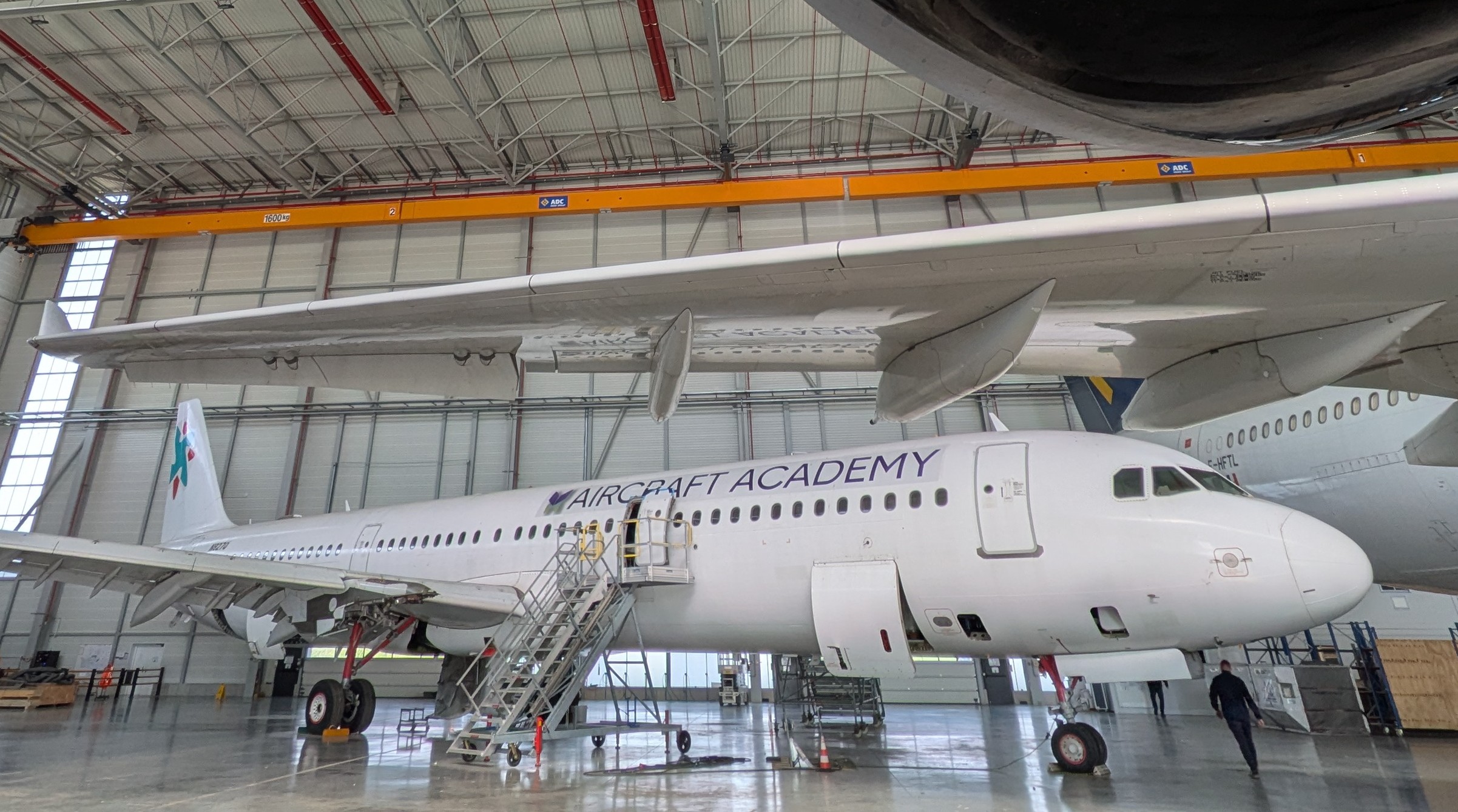
It is one of the only two training organisations in Europe, alongside Lufthansa, to operate its own dedicated training aircraft, an Airbus A321. This gives the Academy a decisive advantage in meeting the level of standards required by aircraft maintenance.
The aircraft enables the training centre to deliver structured on-the-job training (SOJT) across the Airbus A320 family, a capability that will soon extend to the A330neo. This follows Vallair Industry’s recent certification for the maintenance of the A330neo at its Châteauroux site.
Training aircraft mechanics: a global challenge, a local response
The need for aircraft maintenance skills is vast and worldwide. The industry is currently short of 300,000 aircraft mechanics, and 700,000 technicians will need to be trained over the next decade.
To help close that gap, Aircraft Academy has designed a new programme launching in September 2026: a Bachelor-level course in Certified Aircraft Maintenance, an intensive full-time programme spanning three and a half years.
The programme positions Châteauroux as an international training hub with local benefits, since much of the practical training will take place at the Châteauroux site, bringing activity, jobs and visibility to the region.
“Training aircraft maintenance technicians is a global challenge, and meeting that demand is exactly why Aircraft Academy designs and delivers its programmes. I am very pleased to join the UIMM Indre board of directors, where I hope to help shape and strengthen the region’s training offer in line with the needs of local businesses,” says Grégoire Lebigot, President of the Vallair group.
About Vallair Industry
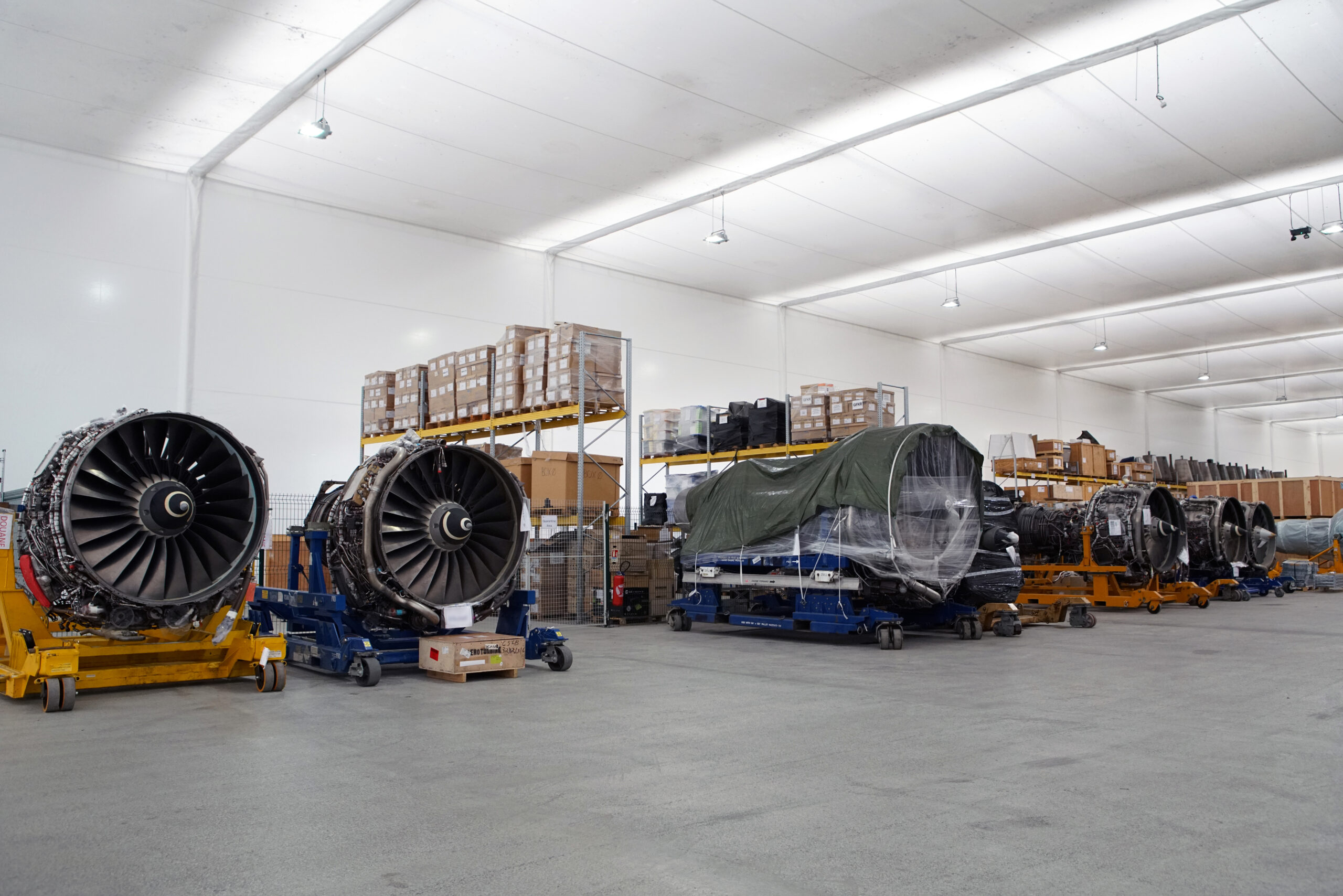
Vallair Industry, the industrial branch of Vallair Group, is an aircraft maintenance company specialising in the storage, maintenance (MRO), conversion and dismantling of aircraft and engines.
A contributor to France’s reindustrialisation, the company draws on an international client base that contributes positively to the national trade balance.
All activities of Vallair Industry are based in France at the Châteauroux and Montpellier sites.
Its facilities, among the most high-performing in Europe, include 15,000 m² of maintenance hangars for wide-body and medium-haul aircraft, 10,000 m² of aircraft dismantling hangars, and more than 40 aircraft parking spaces.
Vallair is a founding member of AFRA (the Aircraft Fleet Recycling Association) and a member of GIFAS, Aerospace Valley and Aérocentre.
The group has been established in Châteauroux for more than 20 years, generating substantial economic benefits for the region. Vallair Industry employs 120 people locally and has injected €42 million into the local economy since 2022, when its new hangar opened. In the space of a year, activity at the Châteauroux site rose from 75,000 to 200,000 working hours.
About UIMM Indre
Founded in 1936 by the metallurgy companies of the Indre, UIMM Indre — the Union of Metallurgy Industries and Trades of the Indre — exists to defend and represent businesses in the region’s metallurgy sector.
To read the Press Release in French, click here.
Vallair et Aircraft Academy s’investissent aux côtés de l’UIMM Indre pour saluer le développement de la formation dans le département
Le 2 juillet, l’Union des Industries et Métiers de la Métallurgie (UIMM) Indre a remis ses diplômes de Certificat de Qualification Paritaire de la Métallurgie (CQPM) dans les locaux d’Aircraft Academy, le centre de formation aéronautique du groupe Vallair situé sur la zone aéroportuaire de Châteauroux- Déols.
Le même jour, lors de l’Assemblée Générale Ordinaire de la chambre territoriale de la métallurgie de l’Indre, le Président de l’UIMM Indre et Président de l’association de la cité Aéronautique, Pierrick James sollicitait Grégoire Lebigot, Président du groupe Vallair, adhérent depuis 2025, en lui demandant de rejoindre le conseil d’administration de l’UIMM Indre pour renforcer le projet Formation Compétences & Emplois de l’industrie en Berry – Indre 2030.
Aircraft Academy, un acteur de formation de rang international ancré dans l’Indre
Aircraft Academy développé par le groupe Vallair, est un centre de formation aéronautique qui vise à répondre aux besoins de formation des techniciens de maintenance aéronautique.
Aircraft Academy est l’un des deux seuls organismes de formation en Europe, avec Lufthansa, à disposer de son propre avion dédié à la formation, un Airbus A321. Cet avion constitue un avantage déterminant pour atteindre le niveau d’exigence requis par la maintenance aéronautique.
Il permet au centre de formation de dispenser une formation encadrée en situation de travail (SOJT) sur les avions de la famille AIRBUS A320, qu’il étendra prochainement à l’A330neo en lien direct avec la récente certification de Vallair Industry pour la maintenance de ce type d’avion sur le site de Châteauroux.
La formation de mécaniciens avion : un enjeu mondial, une réponse locale
La formation aux métiers de la maintenance aéronautique répond à un besoin mondial considérable. Il manque aujourd’hui 300 000 mécaniciens avions dans le monde, et 700 000 techniciens devront être formés au cours des dix prochaines années.
Pour répondre à ce besoin au niveau mondial, Aircraft Academy a conçu un nouveau programme et lance pour la rentrée 2026 le Programme Bachelor de Mécanicien certifié en maintenance aéronautique d’une durée de 3,5 ans, en formation intensive à temps complet.
Cette formation positionne Châteauroux comme un pôle de formation international avec des retombées locales, puisqu’une grande partie des formations pratiques sera effectuée sur le site de Châteauroux, générant activité, emploi et rayonnement pour le territoire.
« La formation de techniciens de maintenance aéronautique est un enjeu mondial. C’est précisément pour répondre à cette demande qu’Aircraft Academy conçoit et met en place des formations aéronautiques. Je suis très heureux de rejoindre le conseil d’administration de l’UIMM Indre où je souhaite contribuer à structurer et à renforcer l’offre de formation dans le département, en lien avec les besoins des entreprises du territoire. » déclare Grégoire Lebigot, Président du groupe Vallair.
À propos de Vallair Industry
Vallair Industry est une entreprise de maintenance aéronautique. Ses activités s’articulent autour des métiers de stockage, de maintenance (MRO), de conversion et de démantèlement d’avions et de réacteurs.
Vallair Industry est un acteur de la réindustrialisation du pays et, grâce à sa clientèle internationale, contribue positivement à la balance commerciale française.
Toutes les activités de Vallair Industry, la branche industrielle du groupe Vallair, sont implantées en France sur les sites de Châteauroux et de Montpellier.
Ses installations, parmi les plus performantes d’Europe, comprennent 15 000 m2 de hangars de maintenance d’appareils gros-porteurs et moyen-courriers, 10 000 m2 de hangars de démantèlement d’avions et plus de 40 parkings avions.
Vallair est un fondateur de l’AFRA (Aircraft Fleet Recycling Association), membre du GIFAS, d’Aerospace Valley et d’Aérocentre.
Vallair est implanté depuis plus de 20 ans à Châteauroux.
Cette implantation génère d’importantes retombées économiques pour la région. Vallair Industry emploie 120 personnes à Châteauroux, ce qui a généré 42 M € dans l’économie locale depuis 2022 et l’ouverture du nouveau hangar. Cela aussi a permis de faire passer le volume d’activité sur le site de Châteauroux de 75 000 à 200 000 heures de travail en un an.
À propose de l’UIMM Indre
L’UIMM de l’Indre a été créée en 1936 de la volonté des entreprises de la Métallurgie de l’Indre. L’Union des Industries et Métiers de la Métallurgie de l’Indre a pour mission de défendre et représenter les entreprises du secteur de la Métallurgie de l’Indre.
AviTrader MRO360° - End-of-Life Management for Commercial Aircraft
In the June issue of AviTrader MRO360°, Valentina Pilshchikova, Engines & Parts Trading Sales Manager at Vallair, shares with David Dundas the various aspects of end-of-life management for commercial aircraft.
“The choice to part out, store or sell an aircraft as a whole is fundamentally an economic analysis.
Deciding to part out is simple: do it if the value of the parts is higher than the value of the aircraft as a complete asset. It is straightforward when you consider that the market value for an engine, for example, can be twice its base value due to supply chain disruptions and technical issues. For instance, Vallair has observed that GTF engines on A320neo aircraft can command higher lease values than the value of an entire aircraft. We are seeing that relatively young aircraft with strong engines are being down because of this.
“Storage becomes the preferred option when current demand is weak or when the market makes it difficult to sell. Owners may wish to store an aircraft and depreciate the asset slowly, rather than sell it at a low price and realise the loss immediately. Then, when the market improves they can resume operation of the aircraft or sell it a more favourable price.
“Lastly, sale of whole assets may be the best choice for lessors who are faced with costly transitions for mature aircraft, in which case they may prefer to monetise their assets quickly.
“When deciding the fate of an end-of-life aircraft, the main driving factor is which option provides the fastest or best commercial return.”
To read the full article, click here.
Article courtesy of AviTrader.