

AviTrader MRO360° - MRO and Sustainability
In the January issue of AviTrader MRO360°, Pascal Parant, Chief Commercial & Marketing Officer at Vallair, spoke about sustainability in the MRO sector.
Speaking to David Dundas, Parant puts everything into perspective as he makes the case for the aviation industry doing more for the planet than you might think.
“Aviation accounts for around 2-2.5% of global CO2 emissions. However, we do not need anyone to tell us to reduce our carbon footprint. The aviation industry is already striving for a better planet. Innovations in the field have sustainability at the forefront: each new aircraft generation delivers roughly a 20% reduction in fuel burn and new composite airframes which require less maintenance will have smaller CO2 footprints.”
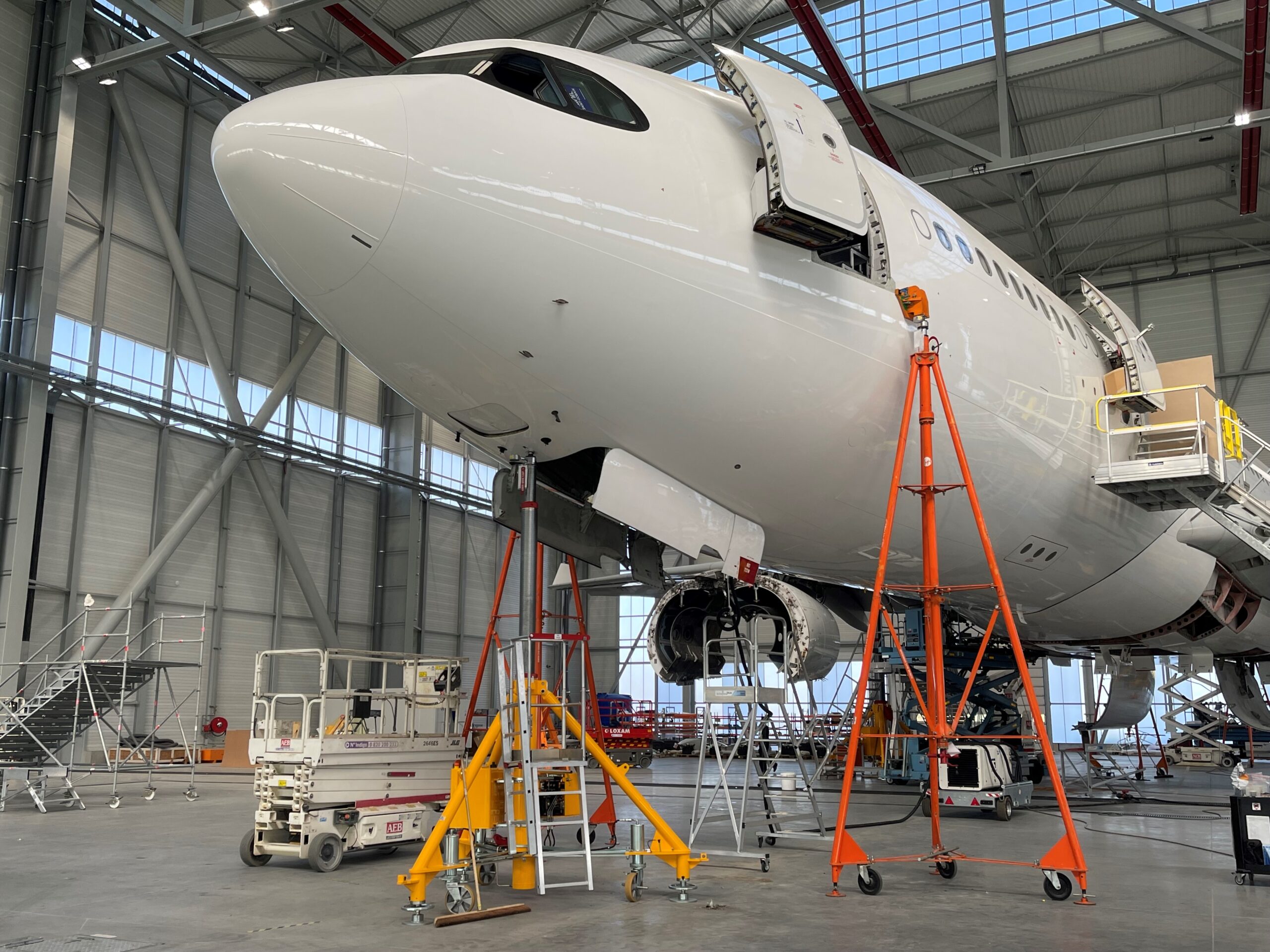
For MROs, the greatest environmental impacts originate from the running of maintenance facilities, including lighting and temperature control; the transport of large components such as nacelles and engines; and running engine tests, which burn jet fuel.
Parant’s attitude to reducing the environmental impact of the MRO sector is clear: “Be ethical. Be reasonable. Be responsible.”
He elaborates with advice to colleagues in the industry: “Go regional. Keep your maintenance not too far away from your FBO. Accept that paying more for maintenance close to home can reduce your CO2 footprint. Additionally, keep in mind that when a part is manufactured, it generates CO2, and use USM where possible.”
To read the full article, click here.
Article courtesy of AviTrader.

Vallair welcomes you to MRO Middle East
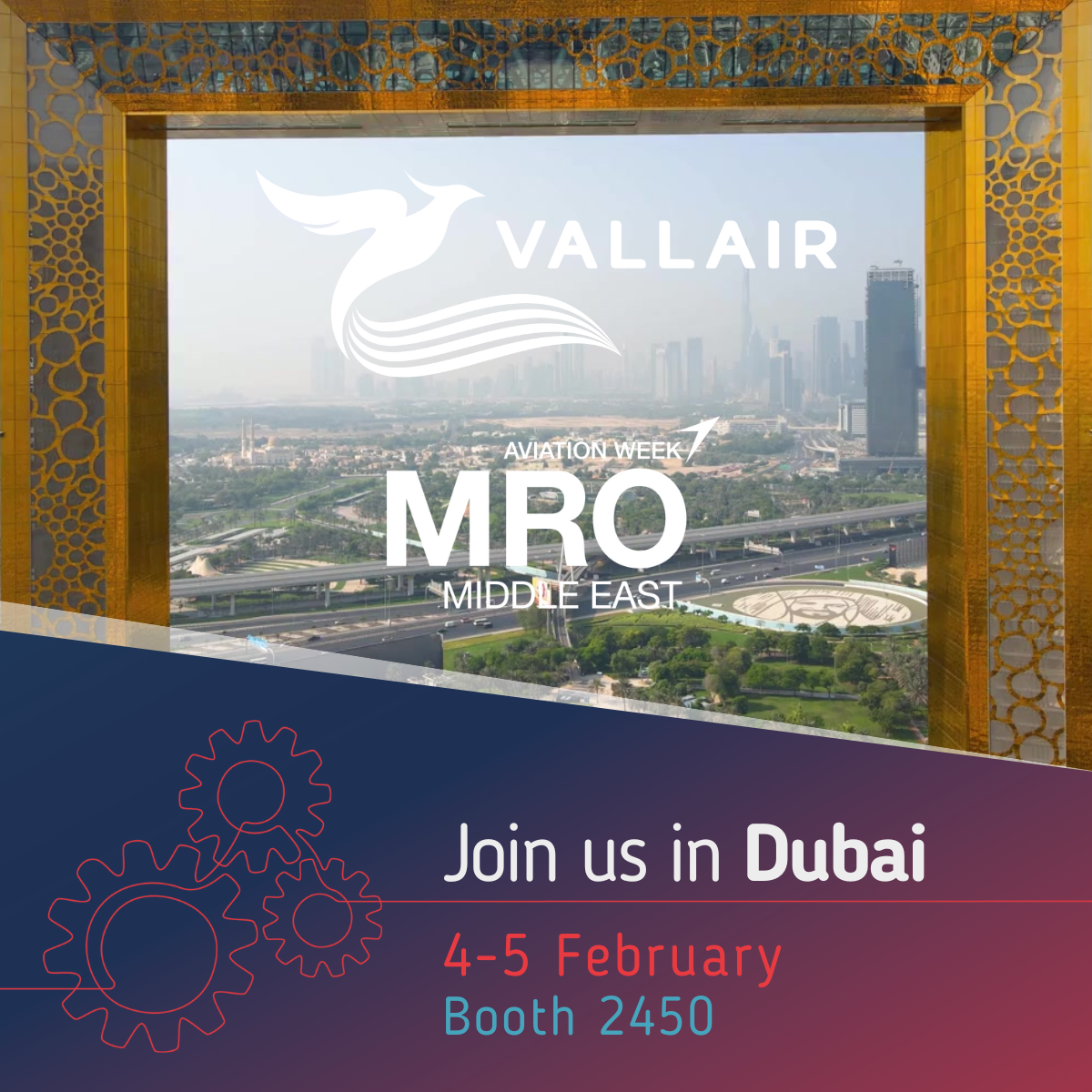
Meet the us in Dubai at MRO Middle East!
Visit Booth #2540 to learn more about our MRO | ASSETS | TRAINING services.
We’ll be there from Wednesday 4th – Thursday 5th February.
Visit mromiddleeast.aviationweek.com/en/home for more information.
LARA - Tackling the MRO Skills Shortage
In the December issue of LARA, Rachel Hugonnet, Director of Workforce & Training at Vallair and CEO of Aircraft Academy, shares the Vallair Group approach to tackling the MRO skills shortage.
Speaking to Rob Munro, Hugonnet highlights Aircraft Academy’s Structured On-Job Training (SOJT) model, which provides an exceptional pathway for trainees to enter the workforce with immediately applicable skills.
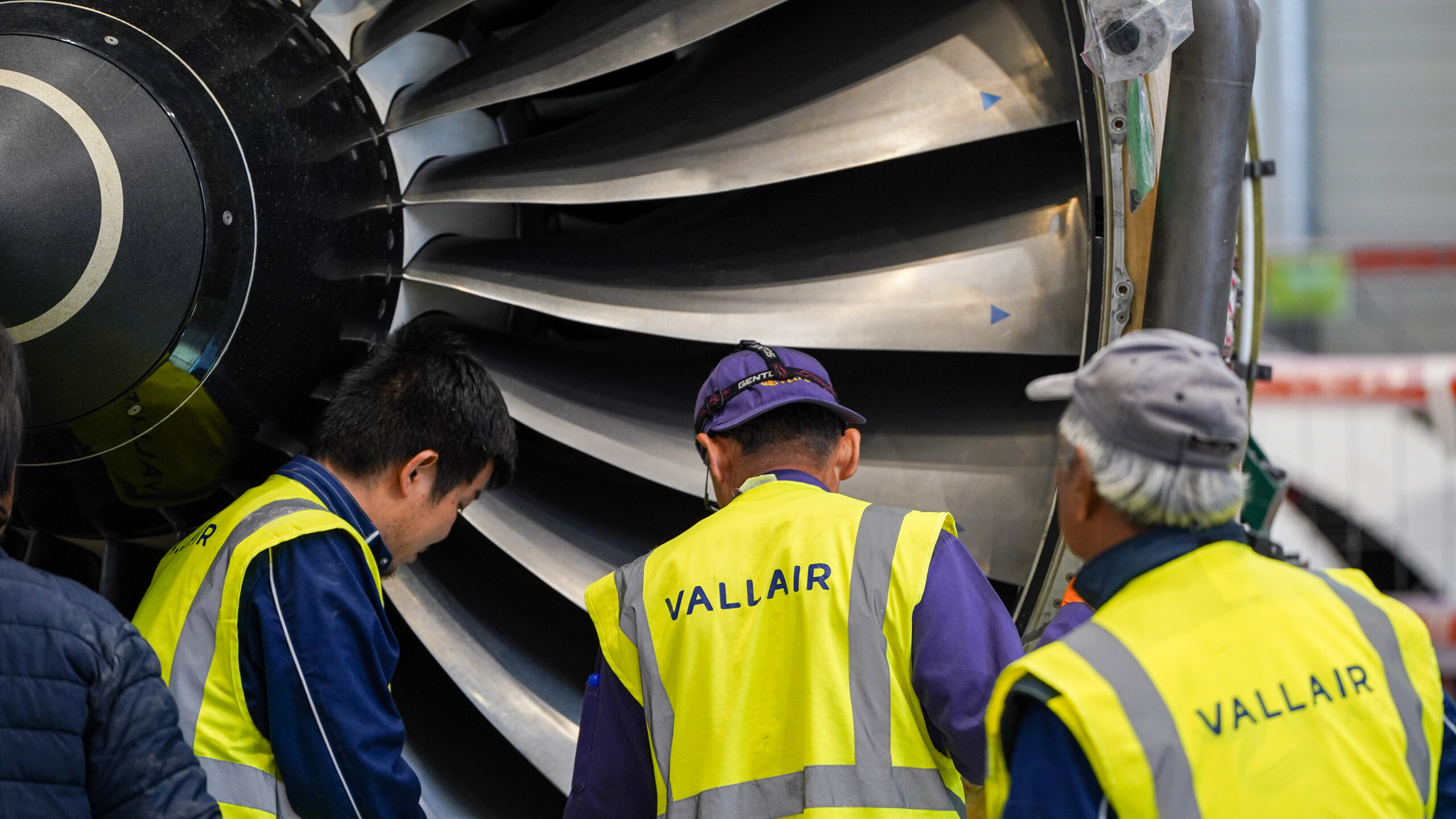
“The SOJT, delivered through Vallair’s EASA Part 145 MRO, provides Aircraft Academy trainees with exceptional exposure to real-world maintenance operations,” she explains. “Rather than completing their practical modules in a simulated environment, our students are fully immersed within Vallair’s live maintenance facilities, working alongside experienced engineers on commercial aircraft projects.”
The hands-on engagement seamlessly blends Part 147 theory with practical, Part 145-compliant expertise. Vallair’s dual-facility approach also ensures trainees gain a comprehensive understanding of maintenance requirements across different operational scales and aircraft types. The result is a graduate cohort that is workforce-ready, a testament to Vallair’s commitment to nurturing the next generation of aircraft technicians.
To read the full article, click here.
Article courtesy of LARA.