

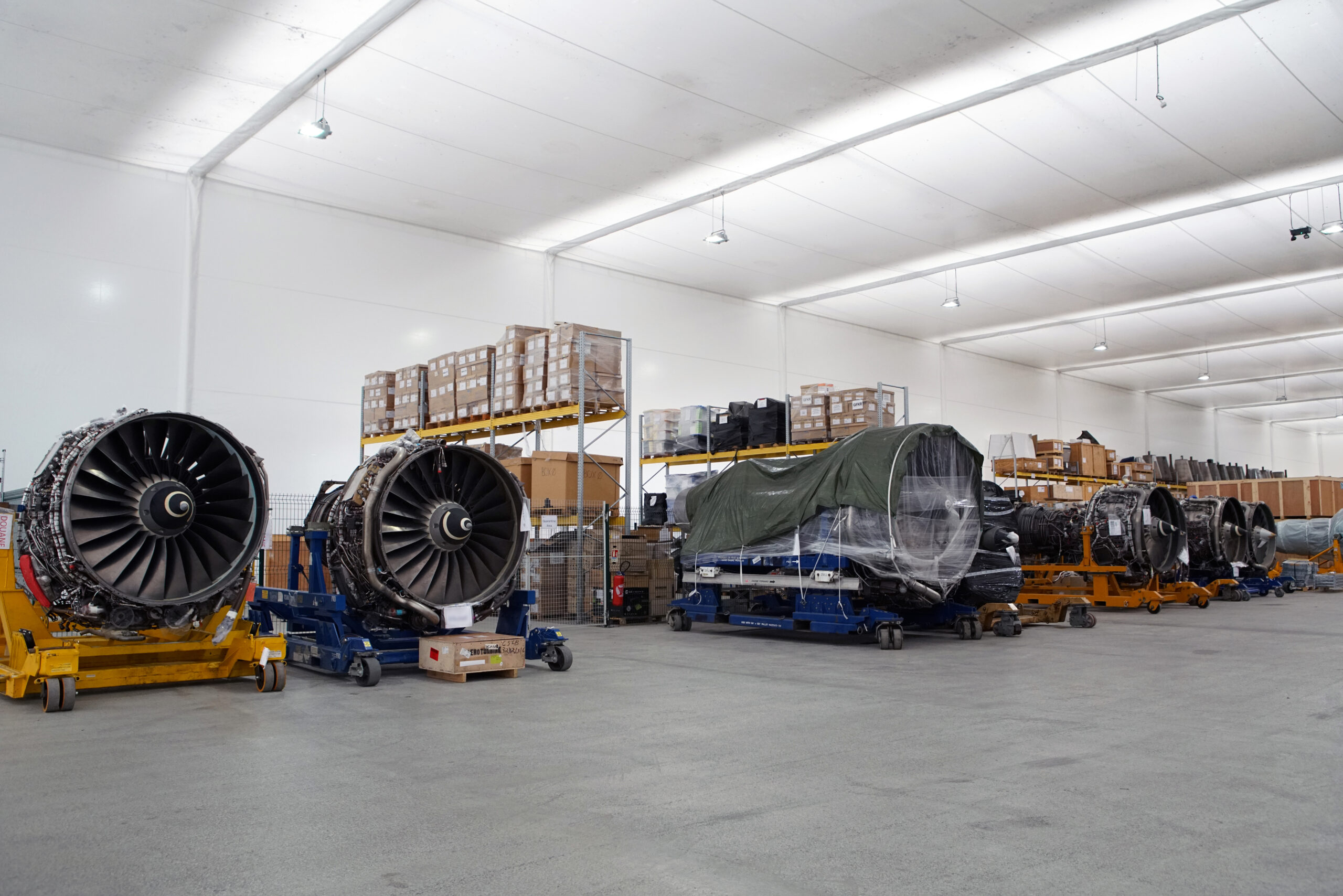
AviTrader MRO360° - End-of-Life Management for Commercial Aircraft
In the June issue of AviTrader MRO360°, Valentina Pilshchikova, Engines & Parts Trading Sales Manager at Vallair, shares with David Dundas the various aspects of end-of-life management for commercial aircraft.
“The choice to part out, store or sell an aircraft as a whole is fundamentally an economic analysis.
Deciding to part out is simple: do it if the value of the parts is higher than the value of the aircraft as a complete asset. It is straightforward when you consider that the market value for an engine, for example, can be twice its base value due to supply chain disruptions and technical issues. For instance, Vallair has observed that GTF engines on A320neo aircraft can command higher lease values than the value of an entire aircraft. We are seeing that relatively young aircraft with strong engines are being down because of this.
“Storage becomes the preferred option when current demand is weak or when the market makes it difficult to sell. Owners may wish to store an aircraft and depreciate the asset slowly, rather than sell it at a low price and realise the loss immediately. Then, when the market improves they can resume operation of the aircraft or sell it a more favourable price.
“Lastly, sale of whole assets may be the best choice for lessors who are faced with costly transitions for mature aircraft, in which case they may prefer to monetise their assets quickly.
“When deciding the fate of an end-of-life aircraft, the main driving factor is which option provides the fastest or best commercial return.”
To read the full article, click here.
Article courtesy of AviTrader.

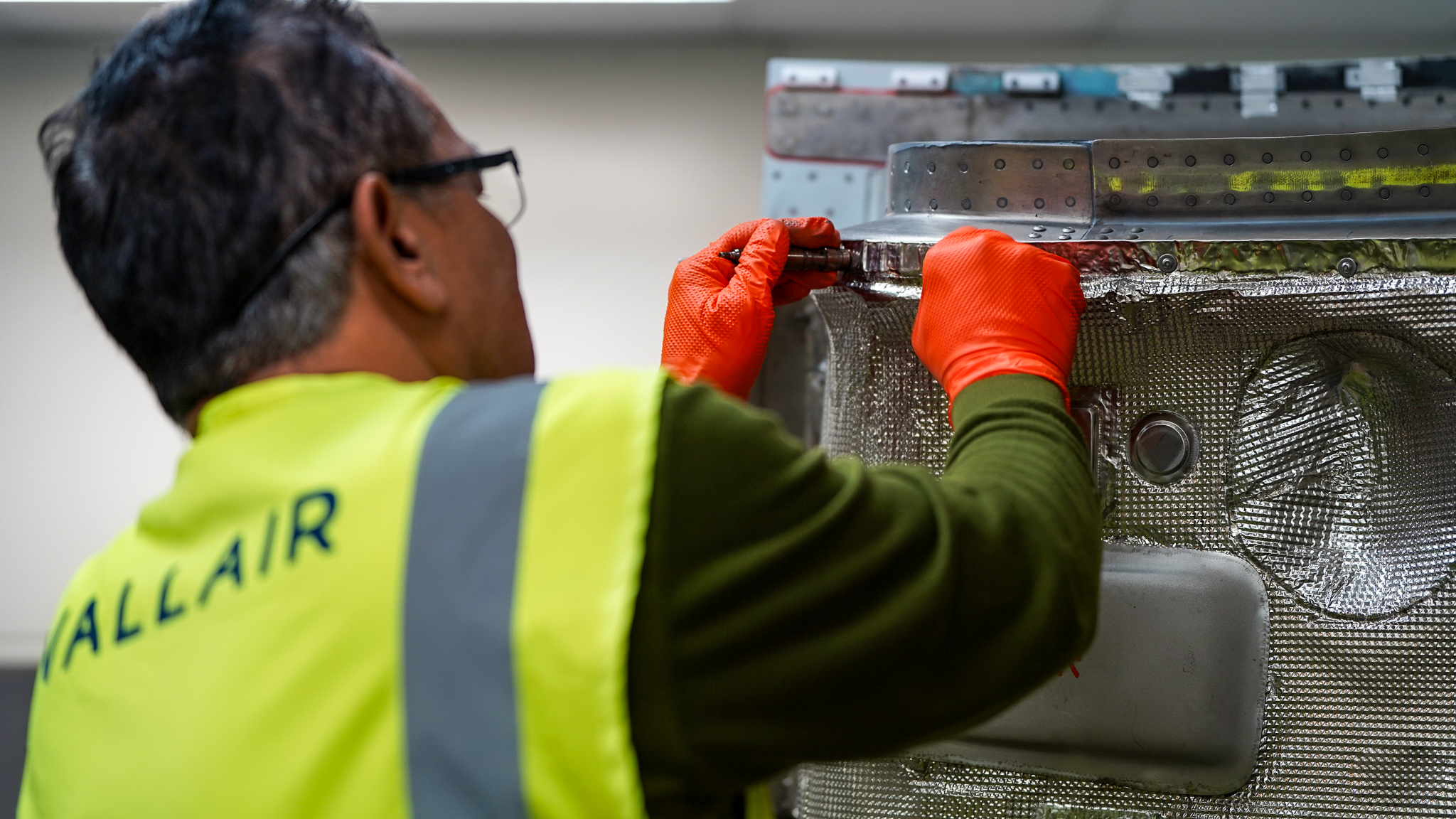
InsideMRO - Sustainability and MRO
In the latest issue of InsideMRO, Pascal Parant, Chief Commercial & Marketing Officer at Vallair, shared industry insights on how OEM choices are affecting the aftermarket and inhibiting sustainable practices of repair and refurbishment.
Speaking to Keith Mwanalushi, Parant cites a growing monopoly dynamic and the shrinking number of indepedent sources for subcomponent materials as major obstacles to effective repairs.
“I fully understand that OEMs invest heavily in research and development and certification, and that they have to recover these costs through the aftermarket. But a combination of single-source parts, licensing constraints, royalties and other barriers is reducing the number of capable repair providers, even as customer costs continue to rise.
“The consequence of this environment is that the choice to repair or scrap a component is primarily driven by cost and ends up having little to do with sustainability. Although there is very tangible sustainability benefit in USM, when Jet A-1 prices are high and LLP costs are climbing roughly 10% year over year, prioritising sustainability easily becomes expensive and feels more like a luxury rather than a necessity.”
To read the full article on the InsideMRO website, click here.
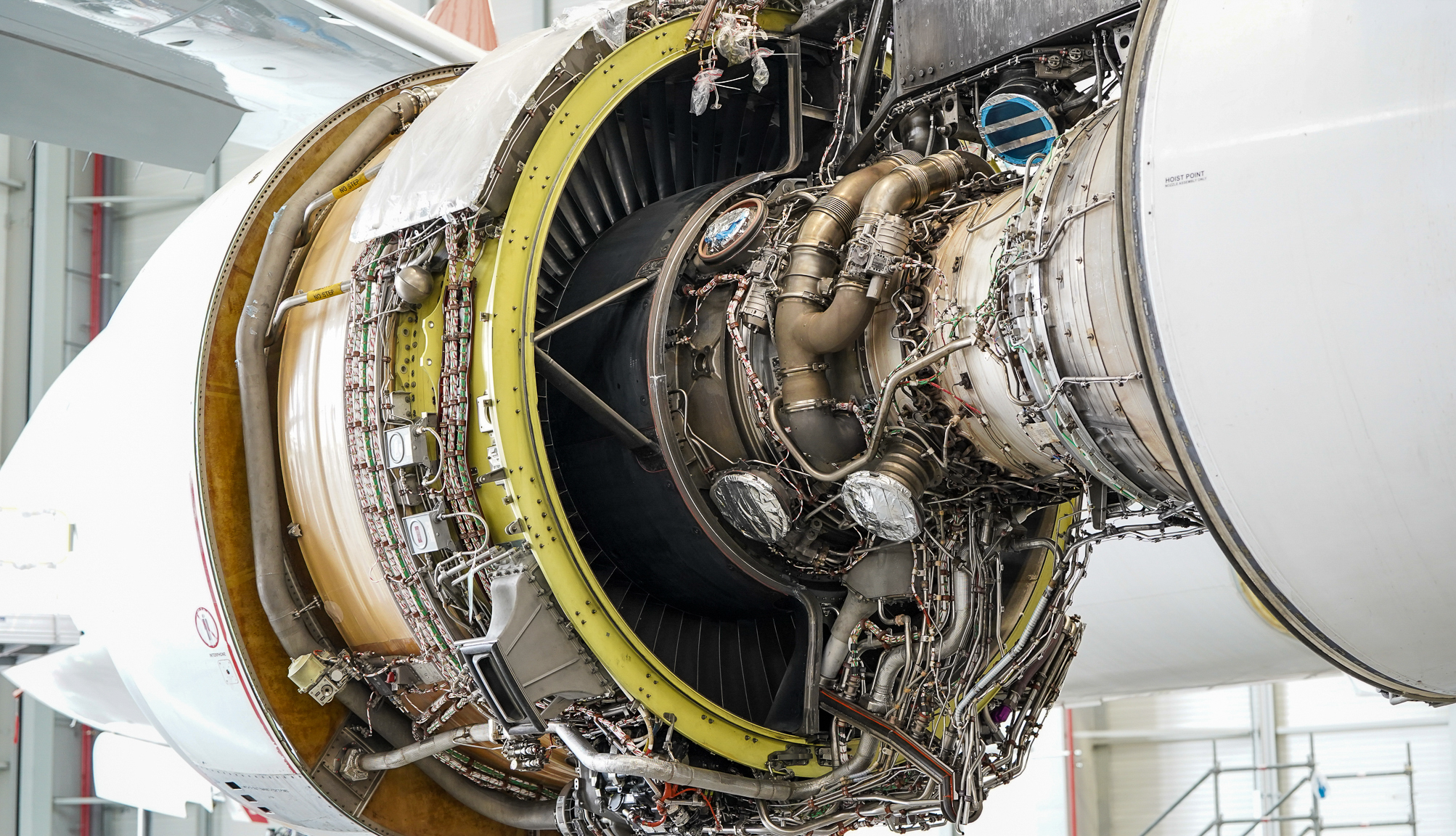
Freighter Trends - Teardown Market Expands Amid Supply Chain Constraints
In the March issue of Freighter Trends, Pascal Parant, Chief Commercial & Marketing Officer, and Valentina Pilshchikova, Engines and Parts Sales Trading Manager at Vallair, discuss the expanding teardown market amid supply chain constraints.
Ongoing supply chain disruptions and long OEM lead times are driving strong demand for aircraft teardown, making USM a critical source of parts for airlines and MROs, Pascal shares.
“USM is recognised as one of the only viable alternatives to supply chain disruptions, price increases, and value generation through teardown activity. However, the lack of suitable aircraft for disassembly is constraining the market.”
Competition for mid-life aircraft is intensifying, Valentina adds, as companies seek teardown assets, with limited supply boosting prices.
“Competition is increasing for mid-life narrowbody aircraft suitable for teardown. Aircraft such as the Boeing 737-800 and Airbus A320-200 are being operated longer, keeping demand for teardown-derived parts strong.”
To read the full article, click here.
Article courtesy of Freighter Trends
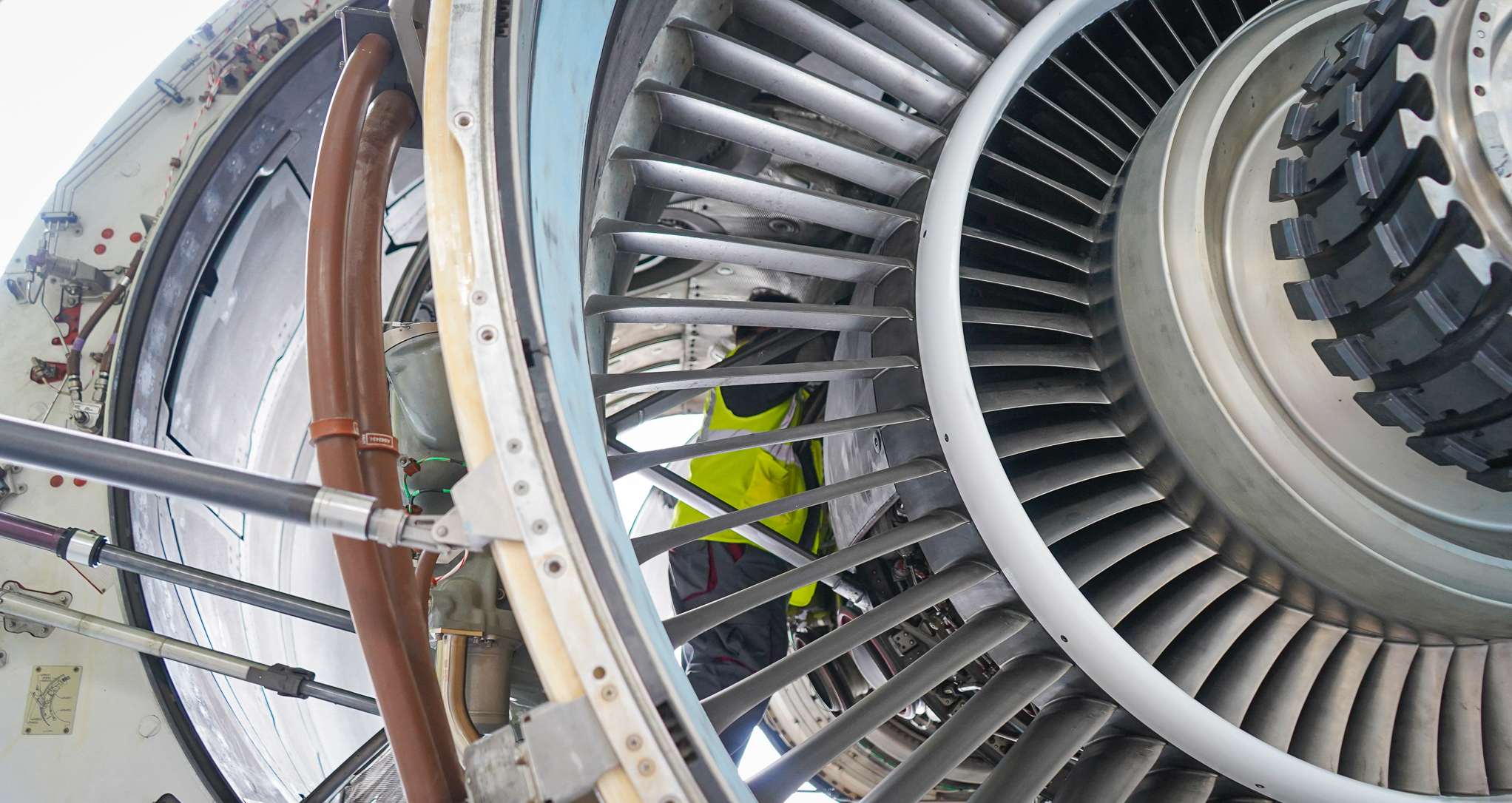
MRO Management - Teardown's Workforce Test
In the March issue of MRO Management, Valentina Pilshchikova, Engines and Parts Sales Trading Manager at Vallair, discusses supply chain and workforce pressures facing the teardown sector.
Pilshchikova shares that workforce shortages remain a major challenge, pushing the industry towards automation, while highlighting the continued importance of human experience and knowledge transfer.
“Workforce shortages push us to transform the way we work, to move away from manual and adopt more automated processes. However, when it comes to spotting tricky issues or making the final decision – human expertise remains pre-eminent.”
“Vallair is investing heavily in internal training initiatives. Our highly skilled senior teams in the aerostructures and engine shops are committed not only to delivering efficient turnaround times, but also sharing their extensive experience with the next generation.”
To read the full article, click here.
Article courtesy of MRO Management.
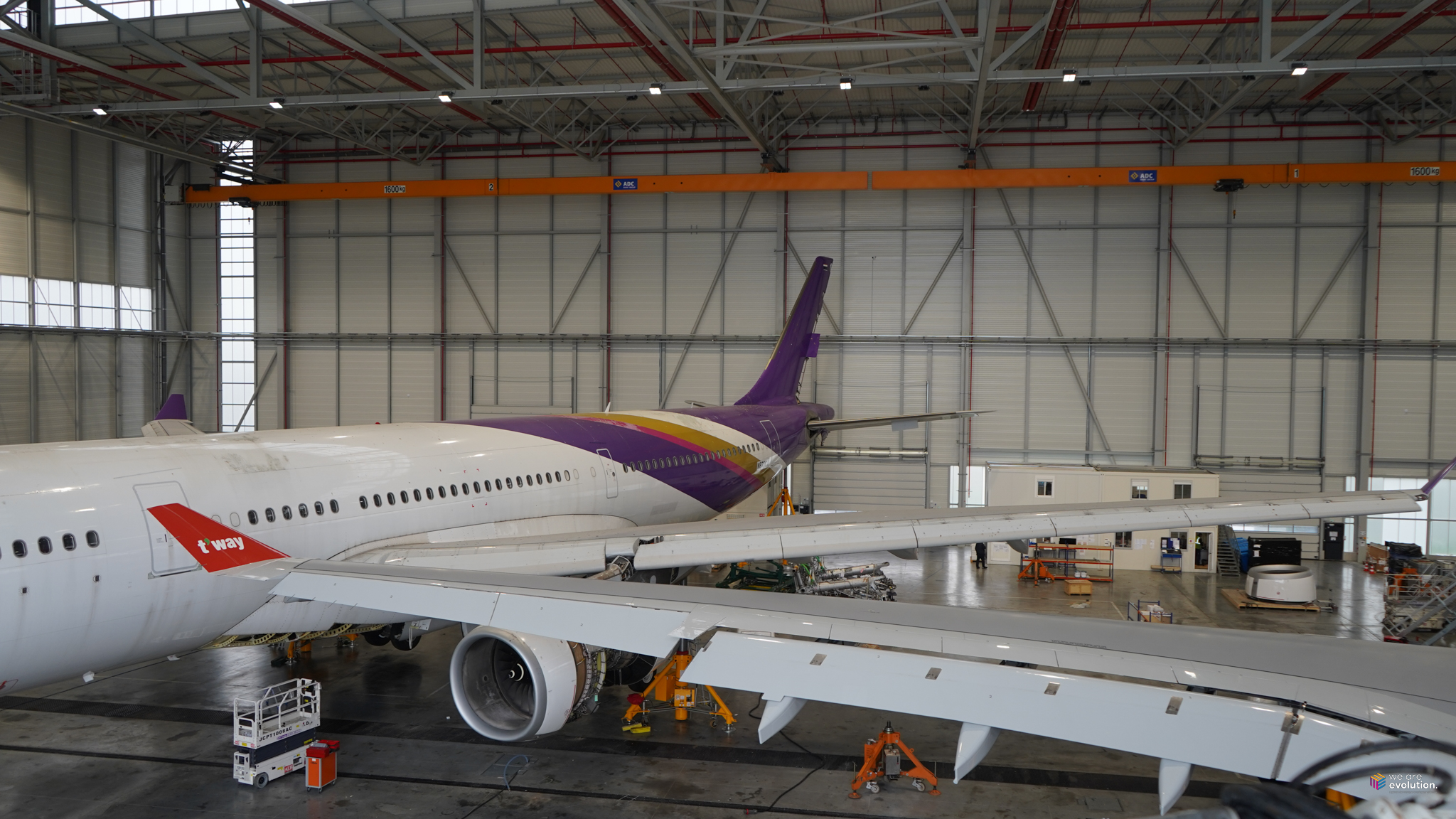
AviTrader MRO360° - Transition Management for Leased Aircraft
In the March issue of AviTrader MRO360°, Sergey Starkov, Technical Director at Vallair, offered advice on managing aircraft lease transitions.
The operative word is organisation. “Transitions require significant teamwork between commercial, legal, technical and financial departments. Additionally, in recent years, transition records requirements have increased. Preparation is therefore paramount.
Lessors favour back-to-back leases and will often match redelivery requirements at the end of one lease to the delivery conditions of the next one. So, it is prudent for operators to produce high-quality documentation which has the correct data and is formatted correctly. This increases the chances that the lessor will accept redelivery quickly, which prevents airlines from having to continue to pay for the aircraft in the event of a delay.”
Operators must also factor in the time and work needed should there be any planned or unforeseen MRO requirements.
Whether operators manage transitions themselves or subcontract to experienced third-parties, Starkov’s instructions are clear: “Start everything as soon as possible.”
To read the full article, click here.
Article courtesy of AviTrader.
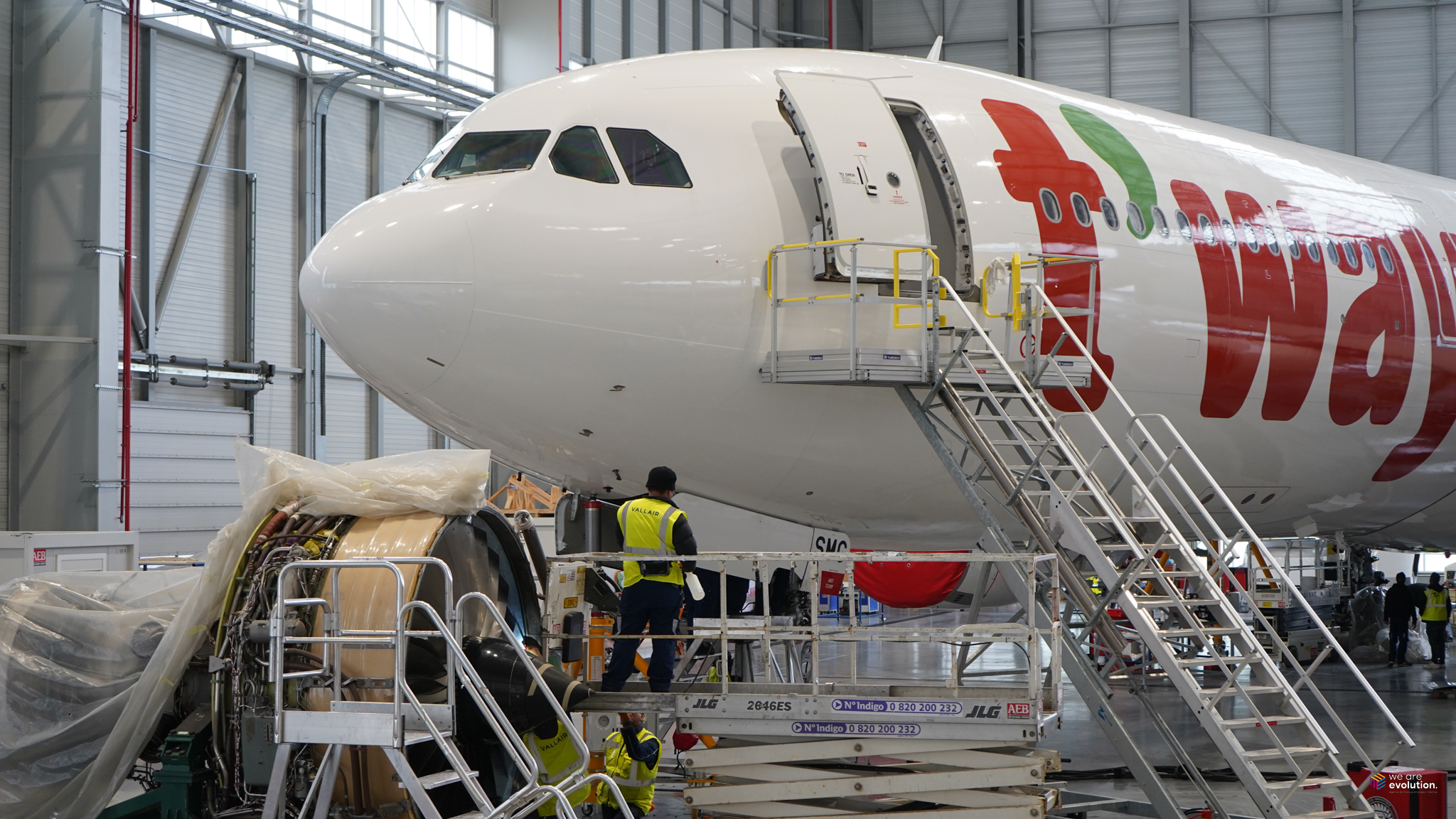
AviTrader MRO360° - Passenger-to-Freighter Conversions
In the February edition of AviTrader MRO360°, Chief Commercial & Marketing Officer at Vallair, Pascal Parant, speaks to David Dundas about recent structural changes in global air cargo demand that have made passenger-to-freighter conversions more attractive.
Parant shares that while demand driven by e-commerce and long-haul international cargo remains solid, wide body freighters are not readily available on the market and prices are high.
“There are simply not enough new-build freighters being produced to meet demand, and lease rates are extremely high. So converted freighters will continue to play a major role for many years. Conversion allows full utilisation of an aircraft’s economic life.”
To read the full article, click here.
Article courtesy of AviTrader.
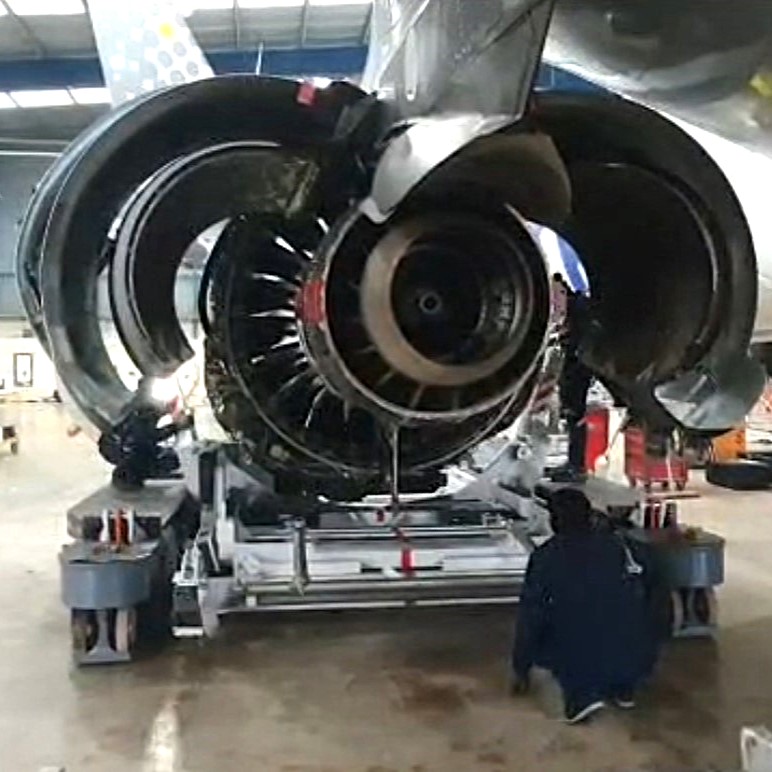
Video - Vallair replaces LEAP-1A engine on an A320 NEO for Arkia Airlines
Another Vallair take off!
Our team recently completed the replacement of a LEAP-1A engine on an A320 NEO for ארקיע Arkia Israeli airlines. Once again, our talented workforce delivered high-quality results that keep our customers flying.
Watch the process below! Thank you to Yakov Gaydar for the fantastic video!
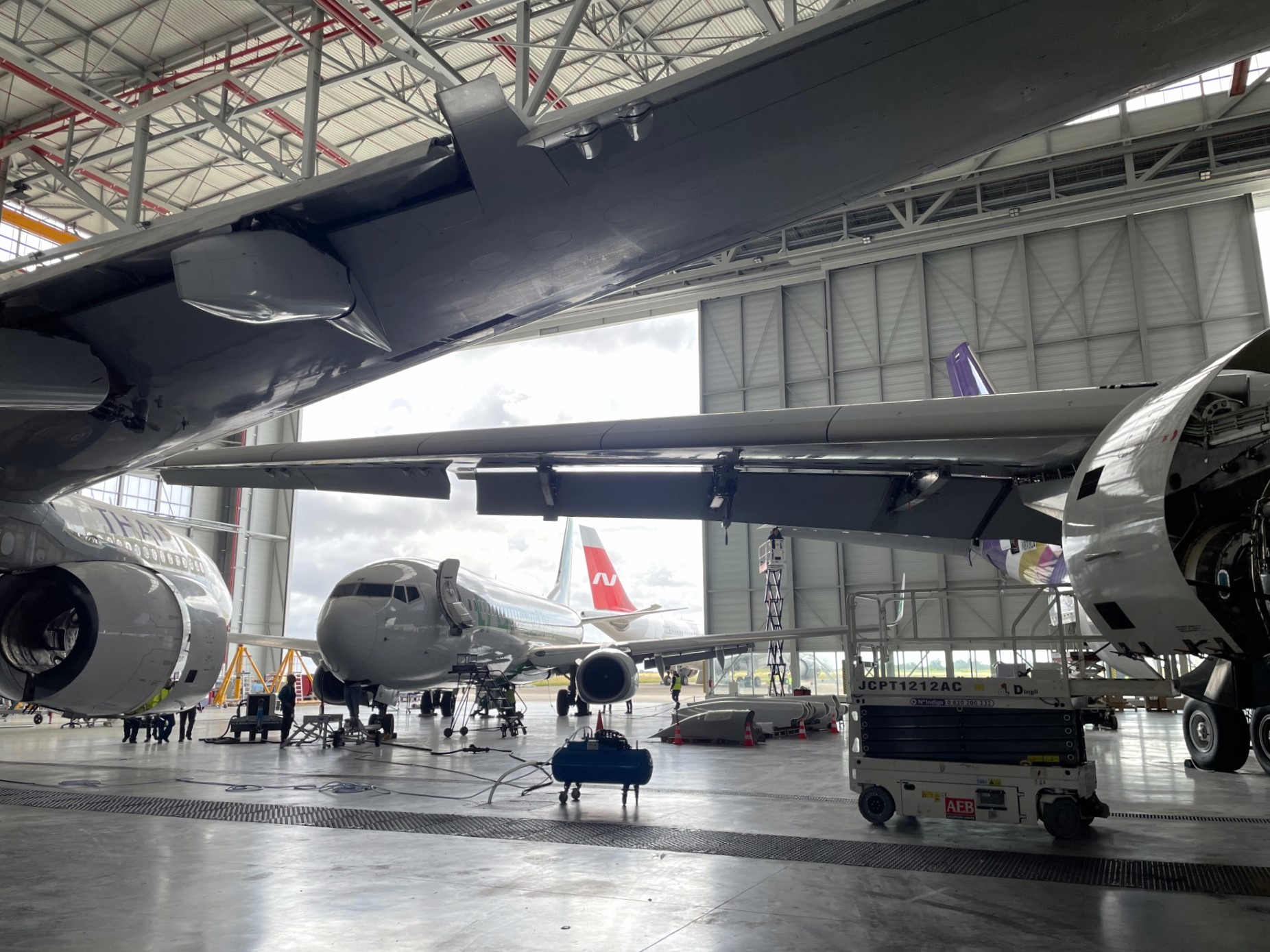
BipTV - An Interview with Grégoire Lebigot, CEO of Vallair
Interview Transcript, English:
The Vallair group of companies was created by Grégoire Lebigot in 2003 with facilities/offices in Châteauroux, Montpellier, and Luxembourg. There are two major sectors: aeronautical maintenance, which includes 240 employees (120 in Montpellier / 120 in Châteauroux). The remaining team work on asset management activities, spare parts sales, and aircraft conversion focusing on Airbus A320 / Airbus A330 / Boeing 737. The new state-of-the-art hangar in Châteauroux can house the Airbus A380, but also several A330s, and up to 5 or 6 Airbus A320s. There are only about 20 hangars of this size worldwide.
What is your expertise?
Vallair intervenes after the aircraft are manufactured; they need constant maintenance before every take-off and after every landing. This ranges from “line maintenance” performed at major airports like Paris Orly or Charles de Gaulle, to “base maintenance,” which requires hangars for heavier maintenance visits – up to 10,000 or 15,000 hours of work per plane – and which sometimes ground an aircraft for several months.
Do you resell parts, for example to Safran, a large company in Issoudun?
Yes, in parallel, Vallair has an asset management activity that consists of buying mature aircraft, dismantling them in Châteauroux, and trading the parts. This includes Safran, with whom we have a strong partnership. We sell them landing gears, but they also send us customers so that landing gears can be replaced in our hangars.
Have you experienced any disruptions regarding the health of the company?
We had very strong post-COVID growth in 2022, 2023, and 2024, with turnover in the industrial sector rising from US$20 million to US$57 million. Then, there was a “correction” year in 2025, where we went from US$57 million to less than US$40 million – it was quite brutal. This is the nature of air transport; the cycles can be quite sudden.
Were there fewer flights?
No, perhaps even more. After COVID, there was a “maintenance bubble,” meaning that many airlines had delayed their maintenance programmes because planes weren’t flying, or were flying less. When things re-started post-COVID, maintenance needs were very significant, which supported our growth and was very welcome, especially as we had leased this hangar for 15 years. However, 2025 saw a rather sharp slowdown, which is typical of what we see in air transport. You have to balance maintenance with other activities like aircraft conversion and aviation customers other than airlines. We also need to manage the seasonality phenomenon. Airlines fly in the summer – from March 31 to October 30 – and prefer to schedule maintenance during the winter. So, at Vallair we must have high capacity in the winter and find other projects for the summer.
What is your forecast for the coming years?
2026 will be a year of steady consolidation, and we are very confident about returning to stability by 2027. Airbus and Boeing are delivering more planes every day; airlines have never needed aircraft as much as they do now. The global fleet is ageing – the average age of an aircraft is 15 years today. Therefore, the more mature a plane is, the more maintenance it requires. Even if, regarding the post-COVID situation, the “good resolutions” are behind us and European airlines may be inclined to outsource their maintenance further East or further South, we remain confident.
You have a message to get across: training is very important to you?
Training is essential in these professions, which are, of course, highly regulated, standardised, and monitored which is also vital. Training is the key to stabilising an activity and making it sustainable. Training a technician takes 5 years; a pilot takes 18 months, but a technician takes 5 years. A technician becomes an expert with 10 or 15 years of experience. So, investing now is very unrewarding because we will only reap the rewards in 5 or 10 years’ time. But it is essential, so we rely on our own training school called “Aircraft Academy,” which has its own Airbus A321 to allow us to be more agile with training. As you can imagine, allowing apprentice technicians to learn their trade on our customers’ planes is complicated.
If there are young people listening to us, what types of profiles are you looking for?
We are looking for “Bac Professionnel” (vocational high school diploma), and the CAP or BEP tracks also work. Also, we have a good partnership with Greta and the Blaise Pascal high school. We are capable of taking a young person who has never seen an airplane in their curriculum – for example, from an industrial vocational background – and we will turn them into an aircraft technician. After a few years, they will have a “Part 66” licence, which will allow them to certify their own work and that of their colleagues.
Are you planning on keeping them in the region?
Yes, that is essential. We invest heavily; it represents thousands of hours of training. A technician spends about 20% of their time in training, either through initial training or what we call recurrent training. Every time a technician works on a new type of aircraft, it requires new training with a full associated programme. For us, it is essential to be able to keep them with us for as long as possible.
Does that also contribute to the attractiveness of this region?
Exactly.
A final message?
Many talk about the re-industrialisation of our country, and at Vallair, we are actually doing it. It’s a big challenge, a daily battle, but I am deeply committed to it; for me, it is very important. We cannot leave our territory or our country abandoned and simply accept that all these activities will eventually go elsewhere.
We thank you very much for stopping by our studios.
To read watch the full interview in French on BipTV, click here.
Inflight - A High Value Harvest
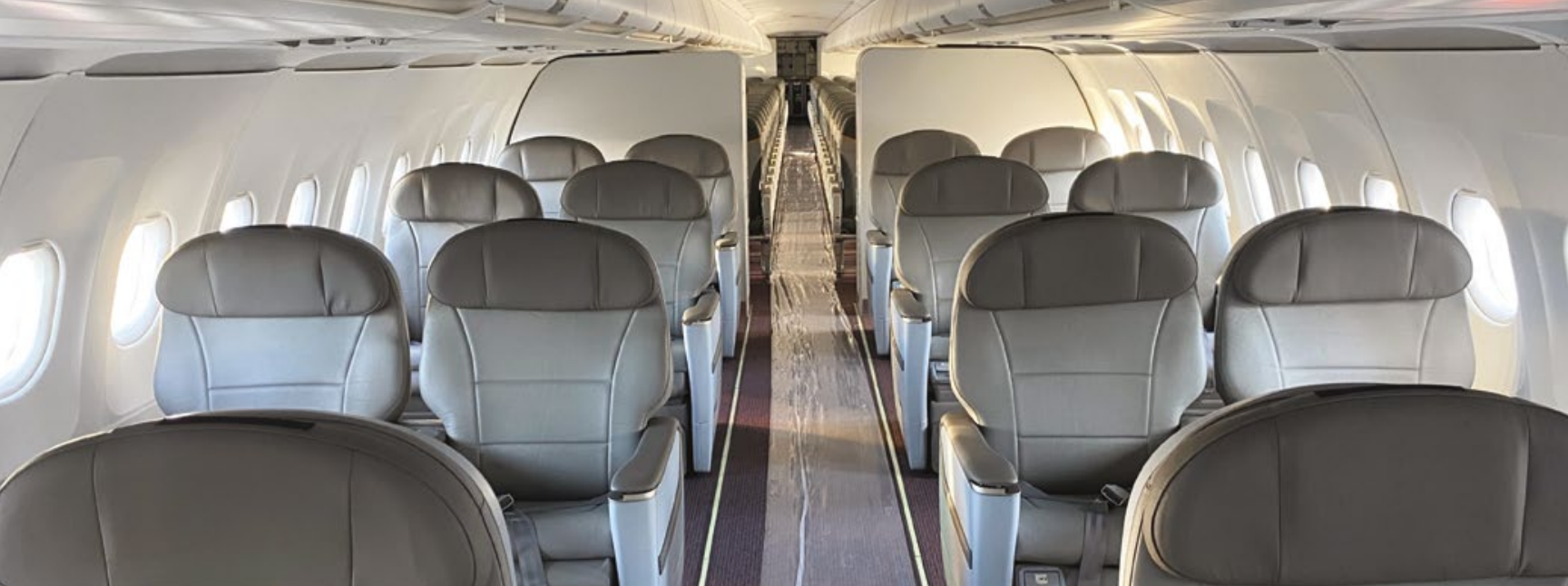
In the January/February edition of Inflight magazine, Vallair Chief Commercial & Marketing Officer, Pascal Parant, spoke about the increasing numbers of younger aircraft being acquired for teardowns.
“Whilst tearing down older aircraft is the norm, we are seeing that younger models are being torn down to release valuable USM to the market,” explains Parant. “The youngest aircraft I’ve seen town down were some two-year-old A318s in the US. There was also a ‘famous’ 787-8 that remained awaiting conversion for a long time before it was eventually torn down with less than 80 flying hours.”
He also considers that the value of newer airframes over old can be attributed to the rapid evolution of airliner cabins. “Cabin components reflect how much has changed over the past decade or so. Seats are slimmer, newer materials are used, and traditional lighting has been replaced with LED. Therefore, older, dated cabin material might not be worth reclaiming, making newer airframes more attractive for harvesting cabin USM.”
To read the full article, click here.
Article courtesy of Inflight.
AviTrader MRO360° - MRO and Sustainability
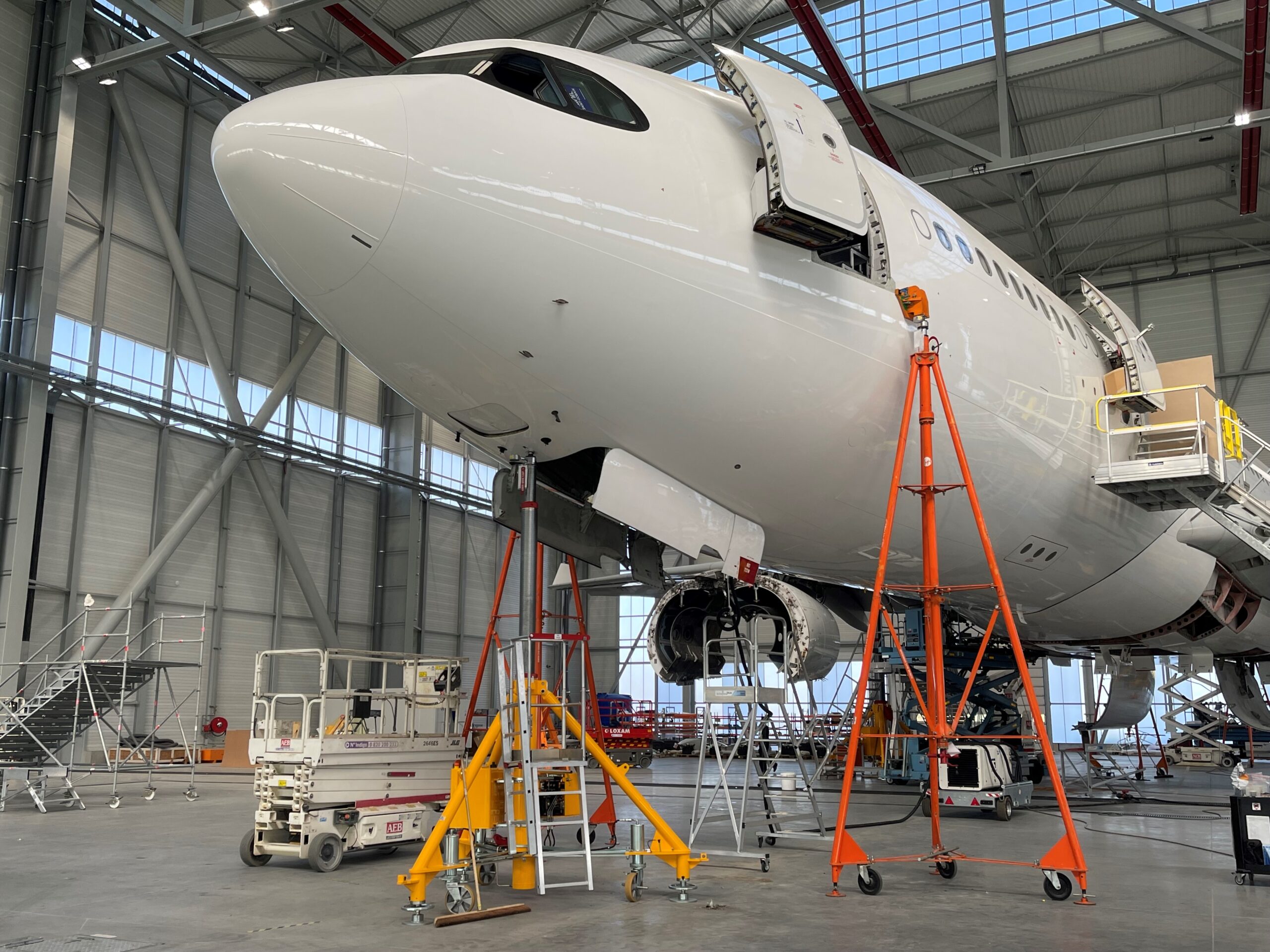
In the January issue of AviTrader MRO360°, Pascal Parant, Chief Commercial & Marketing Officer at Vallair, spoke about sustainability in the MRO sector.
Speaking to David Dundas, Parant puts everything into perspective as he makes the case for the aviation industry doing more for the planet than you might think.
“Aviation accounts for around 2-2.5% of global CO2 emissions. However, we do not need anyone to tell us to reduce our carbon footprint. The aviation industry is already striving for a better planet. Innovations in the field have sustainability at the forefront: each new aircraft generation delivers roughly a 20% reduction in fuel burn and new composite airframes which require less maintenance will have smaller CO2 footprints.”
For MROs, the greatest environmental impacts originate from the running of maintenance facilities, including lighting and temperature control; the transport of large components such as nacelles and engines; and running engine tests, which burn jet fuel.
Parant’s attitude to reducing the environmental impact of the MRO sector is clear: “Be ethical. Be reasonable. Be responsible.”
He elaborates with advice to colleagues in the industry: “Go regional. Keep your maintenance not too far away from your FBO. Accept that paying more for maintenance close to home can reduce your CO2 footprint. Additionally, keep in mind that when a part is manufactured, it generates CO2, and use USM where possible.”
To read the full article, click here.
Article courtesy of AviTrader.