

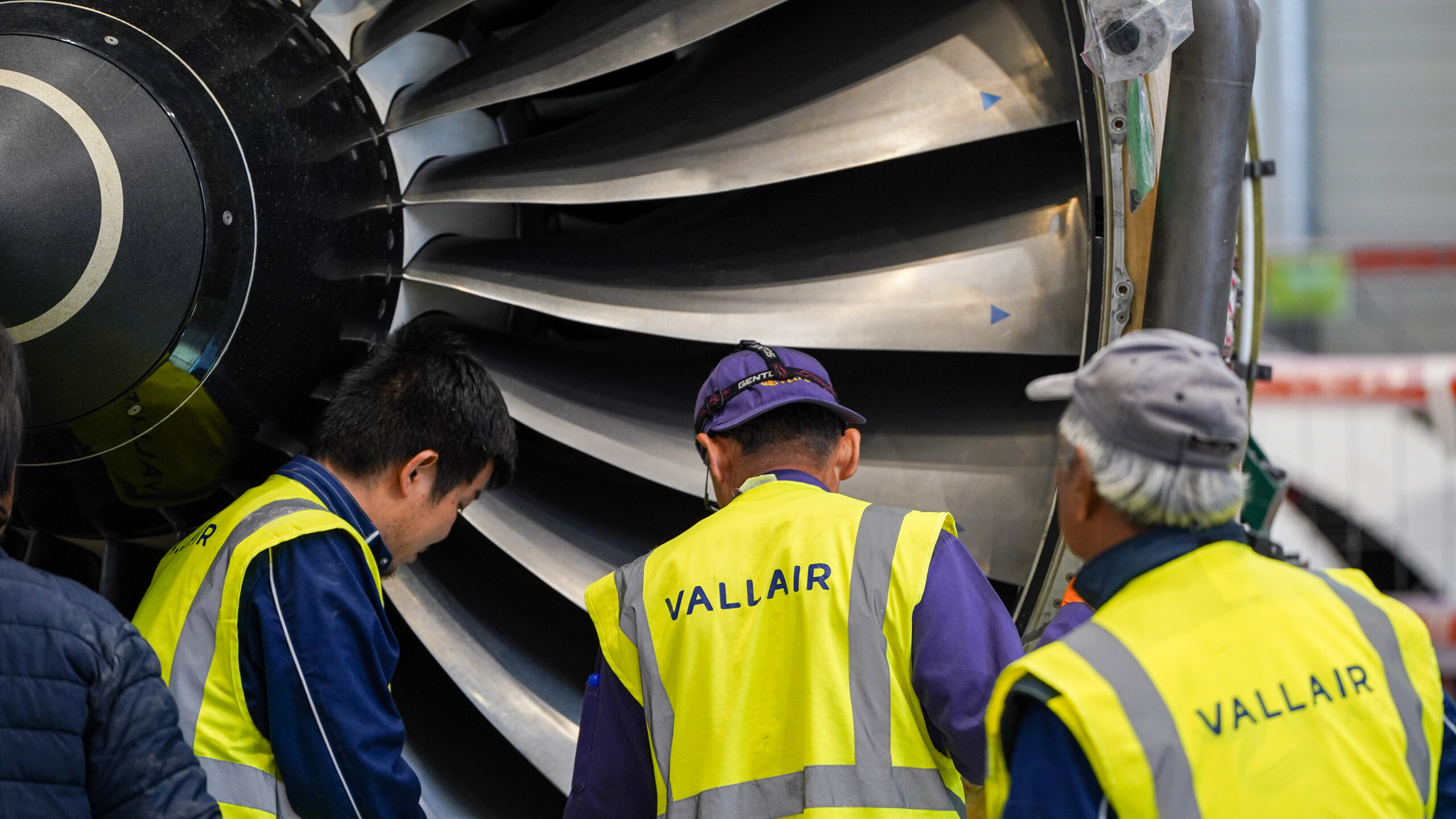
LARA - Tackling the MRO Skills Shortage
In the December issue of LARA, Rachel Hugonnet, Director of Workforce & Training at Vallair and CEO of Aircraft Academy, shares the Vallair Group approach to tackling the MRO skills shortage.
Speaking to Rob Munro, Hugonnet highlights Aircraft Academy’s Structured On-Job Training (SOJT) model, which provides an exceptional pathway for trainees to enter the workforce with immediately applicable skills.
“The SOJT, delivered through Vallair’s EASA Part 145 MRO, provides Aircraft Academy trainees with exceptional exposure to real-world maintenance operations,” she explains. “Rather than completing their practical modules in a simulated environment, our students are fully immersed within Vallair’s live maintenance facilities, working alongside experienced engineers on commercial aircraft projects.”
The hands-on engagement seamlessly blends Part 147 theory with practical, Part 145-compliant expertise. Vallair’s dual-facility approach also ensures trainees gain a comprehensive understanding of maintenance requirements across different operational scales and aircraft types. The result is a graduate cohort that is workforce-ready, a testament to Vallair’s commitment to nurturing the next generation of aircraft technicians.
To read the full article, click here.
Article courtesy of LARA.

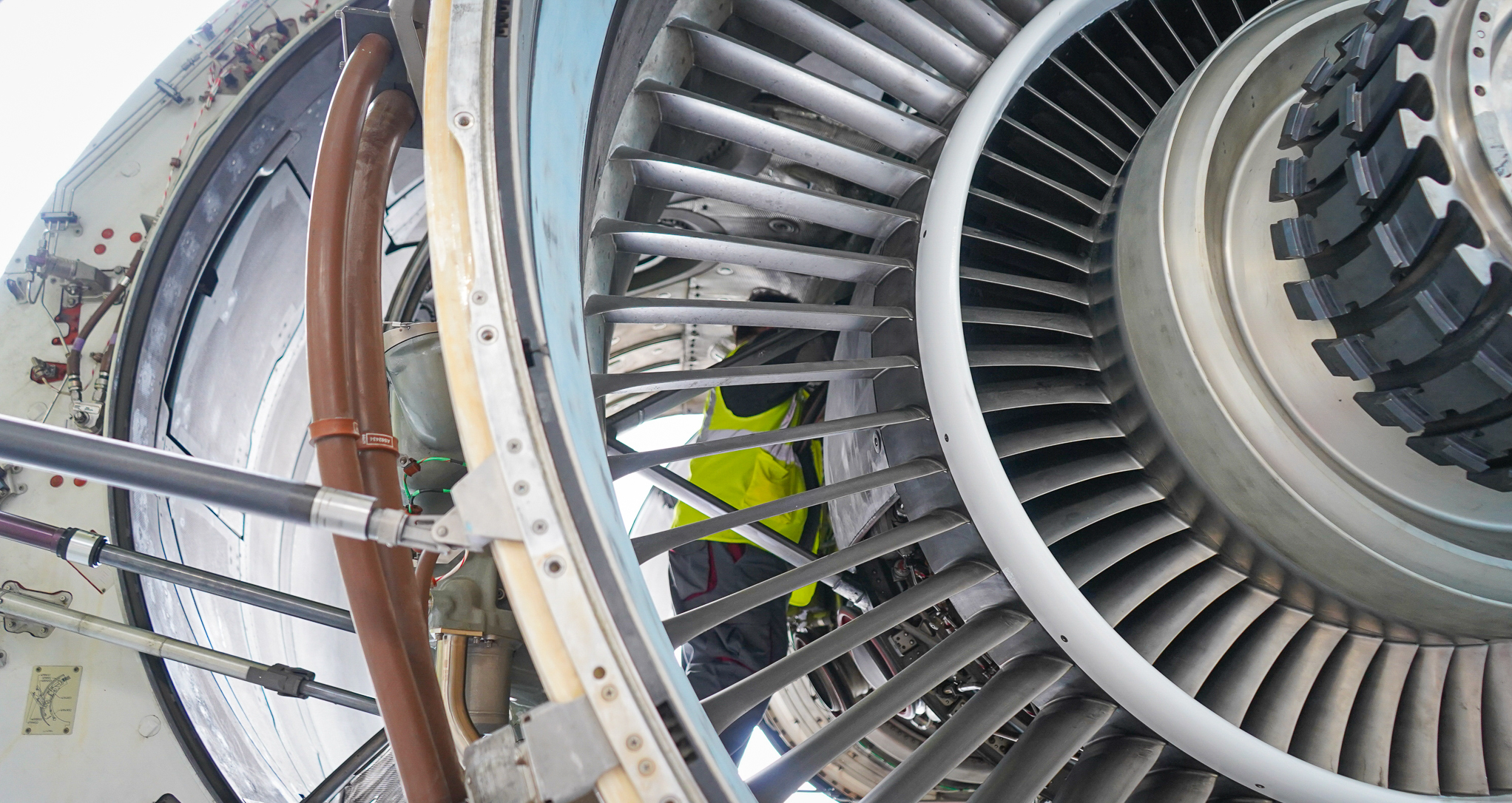
MRO Management - 2025 Review/2026 Outlook & Circular-Economy in Modern Aircraft Retirement
Vallair Group Chief Commercial & Marketing Officer, Pascal Parant, contributed expert insights to two articles in the November/December edition of MRO Management.
In the first article, Parant looks back at 2025 and ahead to 2026 for the MRO sector. “Despite strong demand, 2025 has been a difficult year for MRO businesses. There has been a dramatic drop in lease transitions, from 30 annually to just two or three, as airlines extend leases due to delayed delivery of new aircraft and engine maturity issues.”
Revenue models have also changed at the expense of MROs, he highlights. “If operators can generate another month of revenue, they will do so, even if it means sacrificing MRO slot commitments.” However, lease transitions are expected to rebound in the winter season, as aircraft that have been in extended service will be due to come down for maintenance, with many operators already securing slots. “At Vallair, we see a positive turning point ahead and anticipate that 2026 will be significantly stronger.”
To read the full article, click here.
In the second article, Parant sheds light on the benefits of circular economy principles. Following up on his discussion on the USM panel at PAM Dublin, Parant shares the environmental and financial advantages of using overhauled components. “Today, up to 95% of an aircraft’s mass can be reused, recycled or valorised, from which operators can reap rewards,” he explains. “Using USM reduces CO2 emissions by 50-90%, whilst an end-of-life narrowbody can generate USD 2.5-8 million in recovered value. Amid global shortages, returns can be realised within 6-12 months.”
He goes on to clarify that choosing the right MRO and asset management provider will support aircraft through their full lifecycle. Vallair specifically offers a vertically integrated model which includes P2F conversions that extend aircraft life by 15+ years, ensuring each aircraft delivers maximum value and minimal environmental impact.
To read the full article, click here.
Articles courtesy of MRO Management.
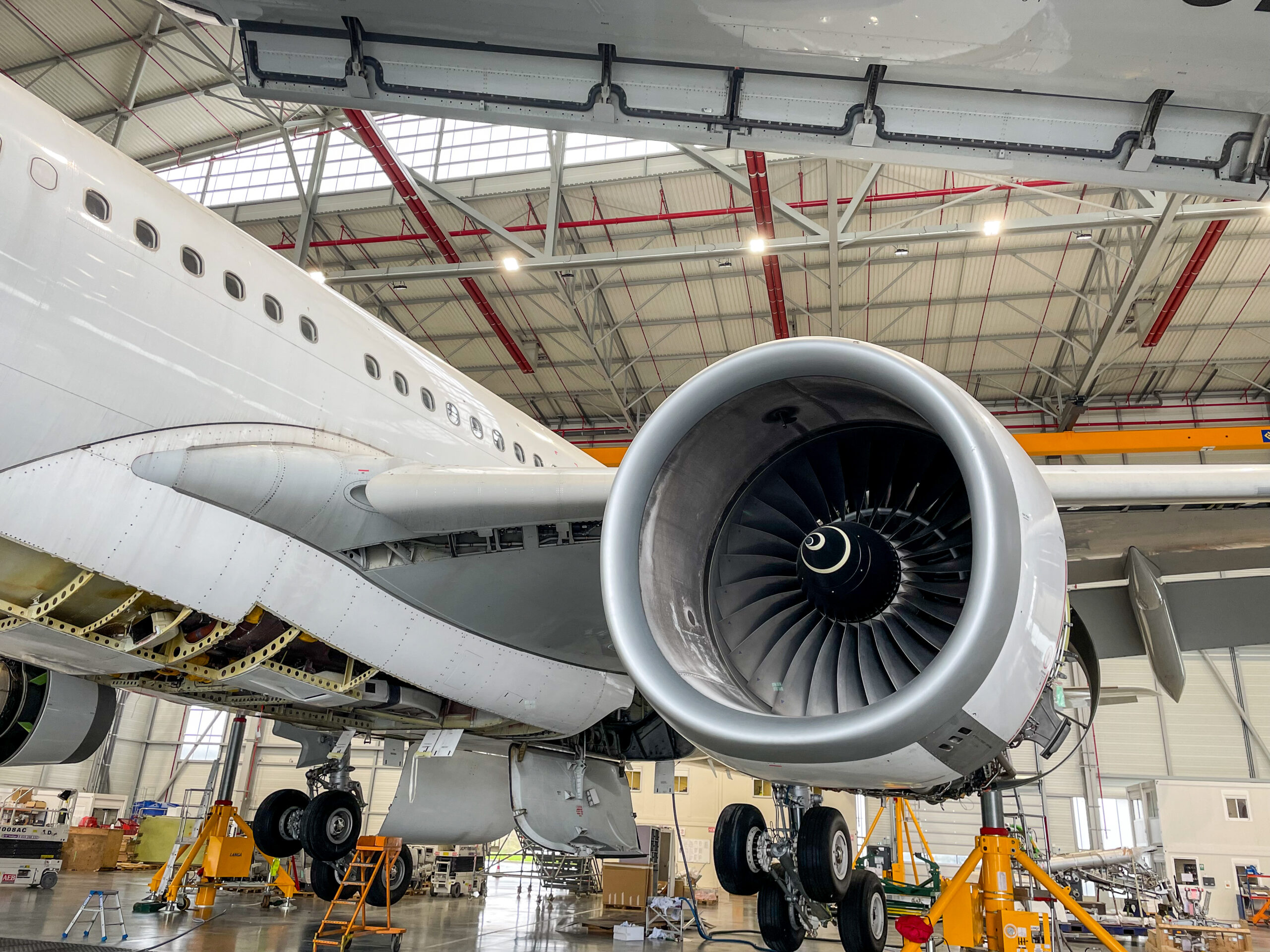
AviTrader MRO360° - Ensuring the Cost-Effectiveness of Aircraft Heavy Checks
In the November issue of AviTrader MRO360°, Pascal Parant, Chief Commercial & Marketing Officer at Vallair, offered insights into the economics of C- and D- checks.
Speaking to David Dundas, Parant explains that the main cost drivers of these heavy checks are highly skilled labour and hangar fees, which MRO providers must charge in order to offset any zero-stress waiting periods on aircraft.
He also offers advice on keeping costs under control for operators. “Securing the right slot at the right time is essential,” he says. Much like airlines, MRO prices are higher during peak seasons, so operators who can schedule schedule heavy checks during traditionally quieter periods usually obtain better pricing”.
Additionally, Parant reveals “manpower is critical to success,” citing estimates which suggest 700,000 new maintenance technicians will be needed globally over the next 10-15 years. He highlights Vallair’s dedication to training the next generation of mechanics through its training platform, Aircraft Academy.
On the integration of AI, digital checks, and paperless documentation, Parant supplies succinct insight: “These technologies increase speed and improve efficiency. However, implementation costs are significant, and not all MROs can transition immediately.”
Lastly, Parant shares what he would introduce into the heavy maintenance check process. “I would create a full-airframe scanner capable of identifying corrosion, structural issues, and impact repairs months before the check, allowing optimal planning and provisioning. I would also deploy robotic support units to assist technicians.”
To read the full article, click here.
Article courtesy of AviTrader.
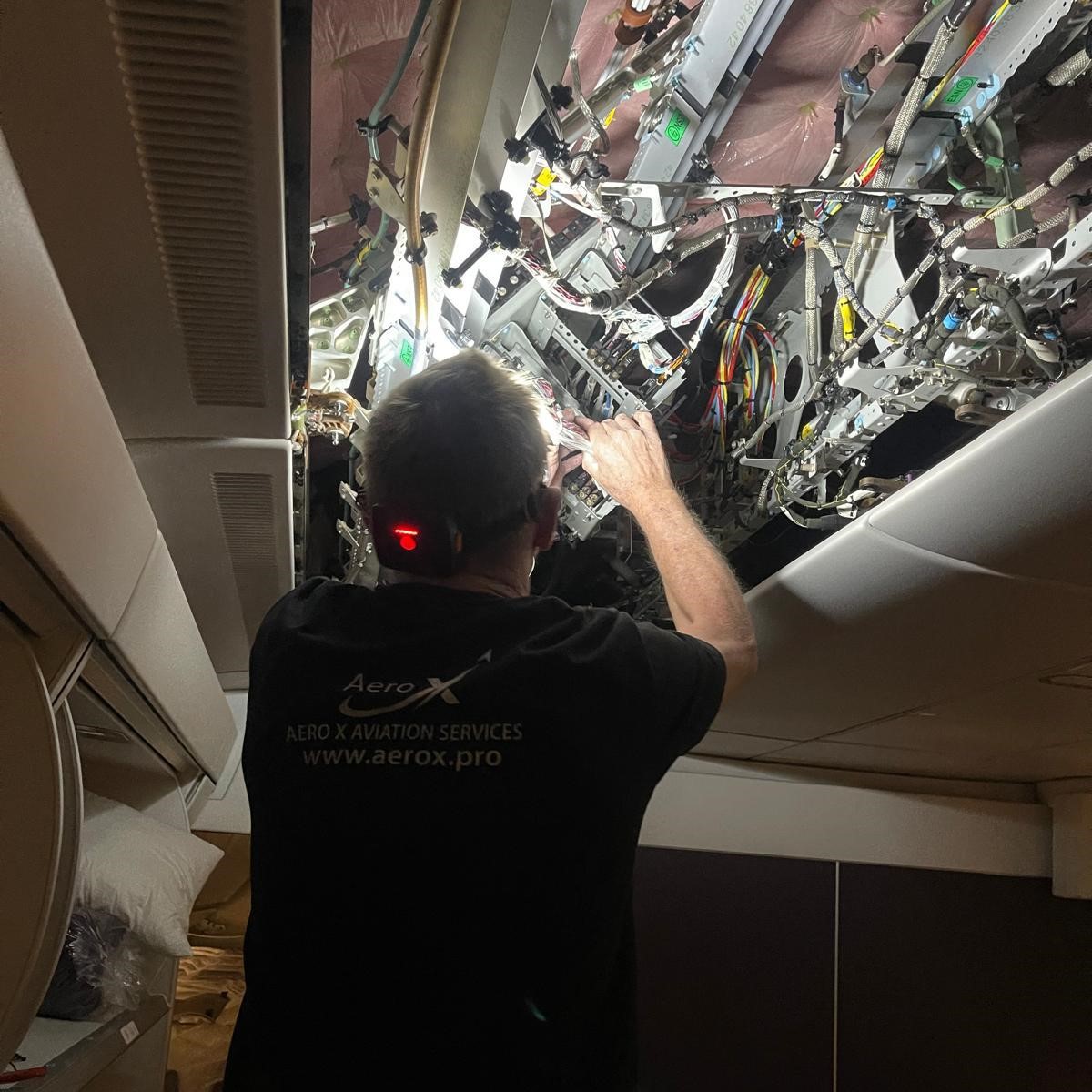
Vallair and AeroX Announce Strategic Alliance to Install Starlink Satellite Connectivity Across Commercial Aircraft Fleets
Châteauroux, France, 17th November 2025: Vallair, a leading aviation asset lifecycle support company, and AeroX, a specialist in advanced in-flight connectivity solutions, are proud to announce the signing of a strategic alliance enabling the fast and efficient installation of Starlink satellite communication systems across commercial aircraft fleets. With Starlink, passengers will have access to high-speed internet anywhere in the world, even in areas without coverage.
Under this agreement, Vallair will allocate dedicated night-shift modification capacity at its state-of-the-art maintenance centre in Châteauroux (France), enabling the rapid installation and integration of Starlink antenna systems on both narrow-body and wide-body aircraft operated by AeroX’s customers in Europe, Africa, and the Middle East. This approach ensures airlines can upgrade connectivity offerings without disrupting scheduled operations.
Grégoire Lebigot, CEO & Founder of Vallair, commented, “We are honoured to contribute to this digital revolution in commercial aviation and to support the rapid deployment of this outstanding connectivity system for the benefit of AeroX’s customers. Beyond the installation programme, Vallair can also provide full base maintenance services, allowing operators to combine cabin connectivity upgrades with scheduled checks in our flagship hangar.”
Aaron Grigsby, Chief Executive of AeroX, stated, “We are extremely happy to provide our customers with a fast, reliable and centralised modification solution in an ultra-modern facility in the heart of Europe. Partnering with Vallair allows airlines to adopt Starlink connectivity with minimal downtime and maximum operational efficiency.
The alliance strengthens both companies’ commitment to enhancing the passenger experience (which includes streaming entertainment platforms, online gaming, and cloud-based work), and supporting the next generation of real-time operational data, crew communication, and EFB (Electronic Flight Bag) performance reliability.
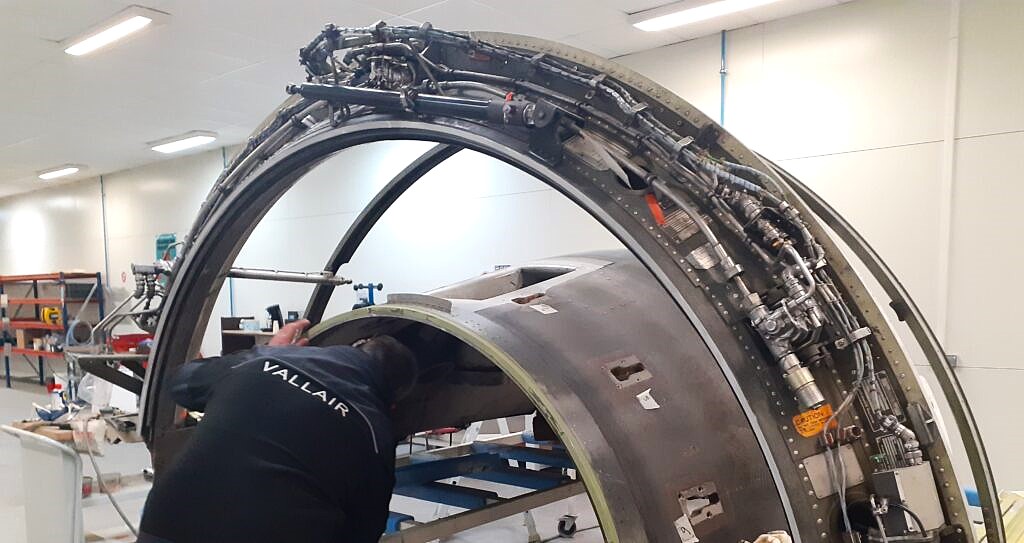
AviTrader MRO360° - Ensuring the Airworthiness of USM
Vallair’s Pascal Parant, Group Chief Commercial & Marketing Officer, spoke to David Dundas about ensuring airworthiness of used serviceable material (USM) in the October/November issue of AviTrader MRO360°.
He explains: “Ultimately, certifying a USM part relies on rigorous traceability checks and processing by established, approved repair stations. For complex components such as engines, the process includes Maintenance Program Analysis (PMA), borescope inspections, and certification based on available trace documentation. In the case of a full engine teardown, each removed part is inspected, tested, repaired, or overhauled, and repair shops ensure that no items appears on any blacklist file. I recall a global alert issues after a Boeing 757 crash where engines had disappeared. A full list of serialised parts was circulated worldwide and any shop that came across one of those parts had to immediately remove it, quarantine it, and notify the FAA.”
He also offers insights into emerging blockchain systems, which could offer enhanced traceability of parts. “If such a system were to emerge, it would need to be universal, certified, and implemented on new aircraft programs, as retrofitting this type of traceability is almost impossible.”
To read the full article, click here.
Article courtesy of AviTrader.
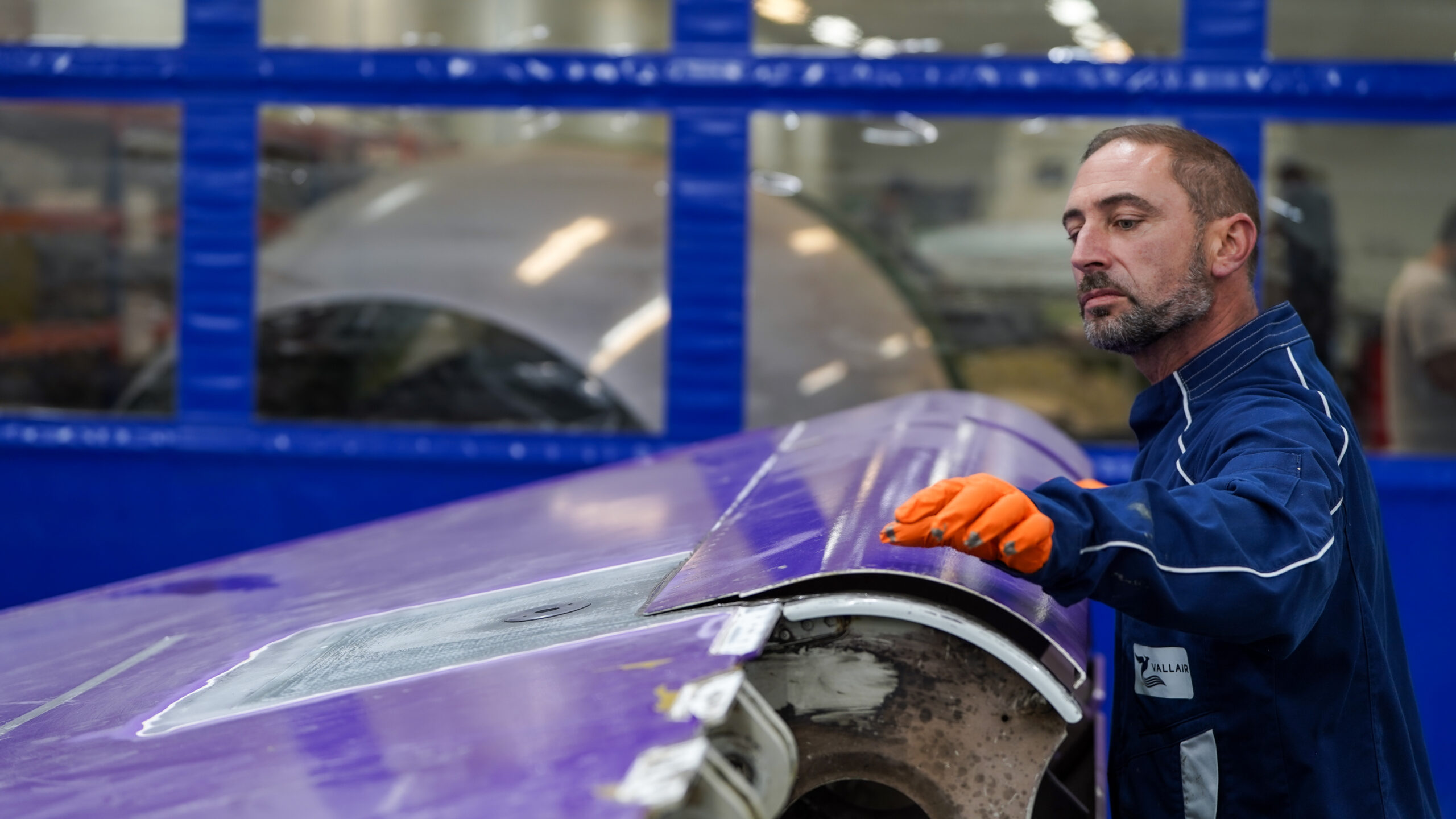
Aviation Maintenance – Composite Repair: An Essential Core Competency
In the Q3 edition of Aviation Maintenance Magazine, François Fermaut, Director of Operations – Châteauroux at Vallair, spoke to Mark Robins about composite repair.
Composite materials are being used increasingly in the aerospace industry thanks to their light weight and strong durability, meaning the ability to repair them expertly and efficiently is essential. Fermaut shares the three most common challenges when repairing composites and explains Vallair’s non-destructive testing (NDT) policy, which uses thermographic and ultrasonic inspection to clearly map damage.
To read the full article, click here.
Article courtesy of Aviation Maintenance.
Vallair Strengthens the Governance of its MRO Centres to Support Future Growth
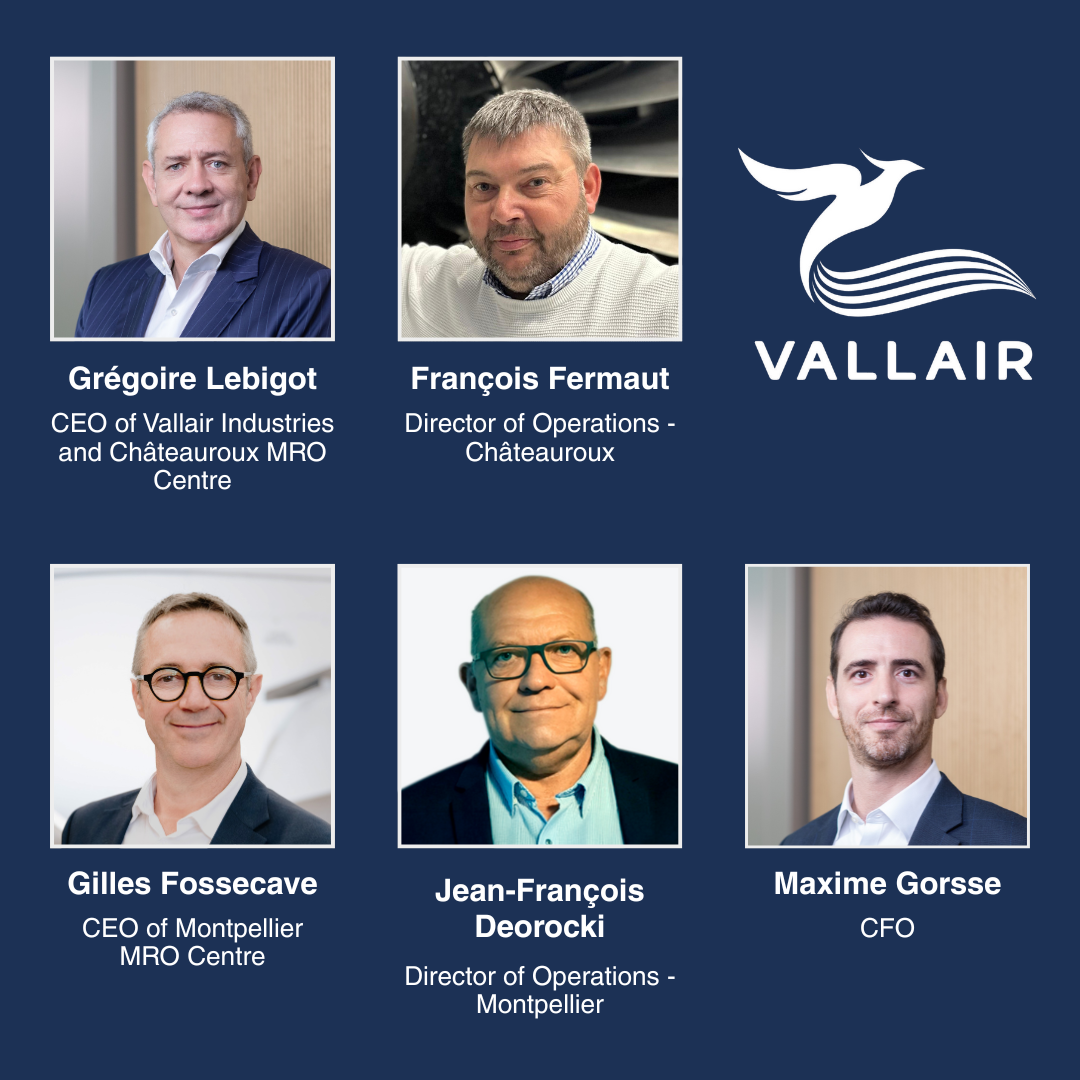
Luxembourg/London, 13 October 2025: In line with market expectations and customer needs, Vallair announces a new governance structure across its maintenance centres. The reorganisation is designed to enhance management efficiency and sustain the Group’s long-term development ambitions.
- Grégoire Lebigot resumes his role as CEO of Vallair Industries, and now also as CEO of the Châteauroux MRO centre. He will be supported on site by François Fermaut, appointed Director of Operations. Formerly in charge of the aerostructure centre, Mr. Fermaut’s scope now extends to the engine business unit and the CHR2 airframe maintenance centre.
- Gilles Fossecave has been appointed CEO of the Montpellier MRO centre. He is supported on site by Jean-François Deorocki, Director of Operations.
This site-based management model will reinforce operational proximity and is entrusted to seasoned professionals who are widely respected within the aviation and MRO industry.
At Group level, Maxime Gorsse, currently Treasurer and CEO of Vallair Asset Solutions, has been promoted to CFO. This newly created position will consolidate accounting, finance, and investor relations, a practice proportional to the scale and ambition of Vallair.
These changes are part of Vallair’s broader strategy for an anticipatory stance on industry transitions, from the rise of composite-intensive aircraft to new technologies and evolving airline expectations.
“This new organisation is fully aligned with our strategy: staying close to our customers, strengthening the operational excellence of our MRO centres, and preparing for the future. Vallair is moving forward with the determination to anticipate the impactful transformations of the aviation industry and to respond with rigour, agility, and passion.” – Grégoire Lebigot, President of Vallair Group
Safety, quality, proximity, customer focus, and adaptability remain Vallair’s guiding principles.
To read the press release in French, click here.
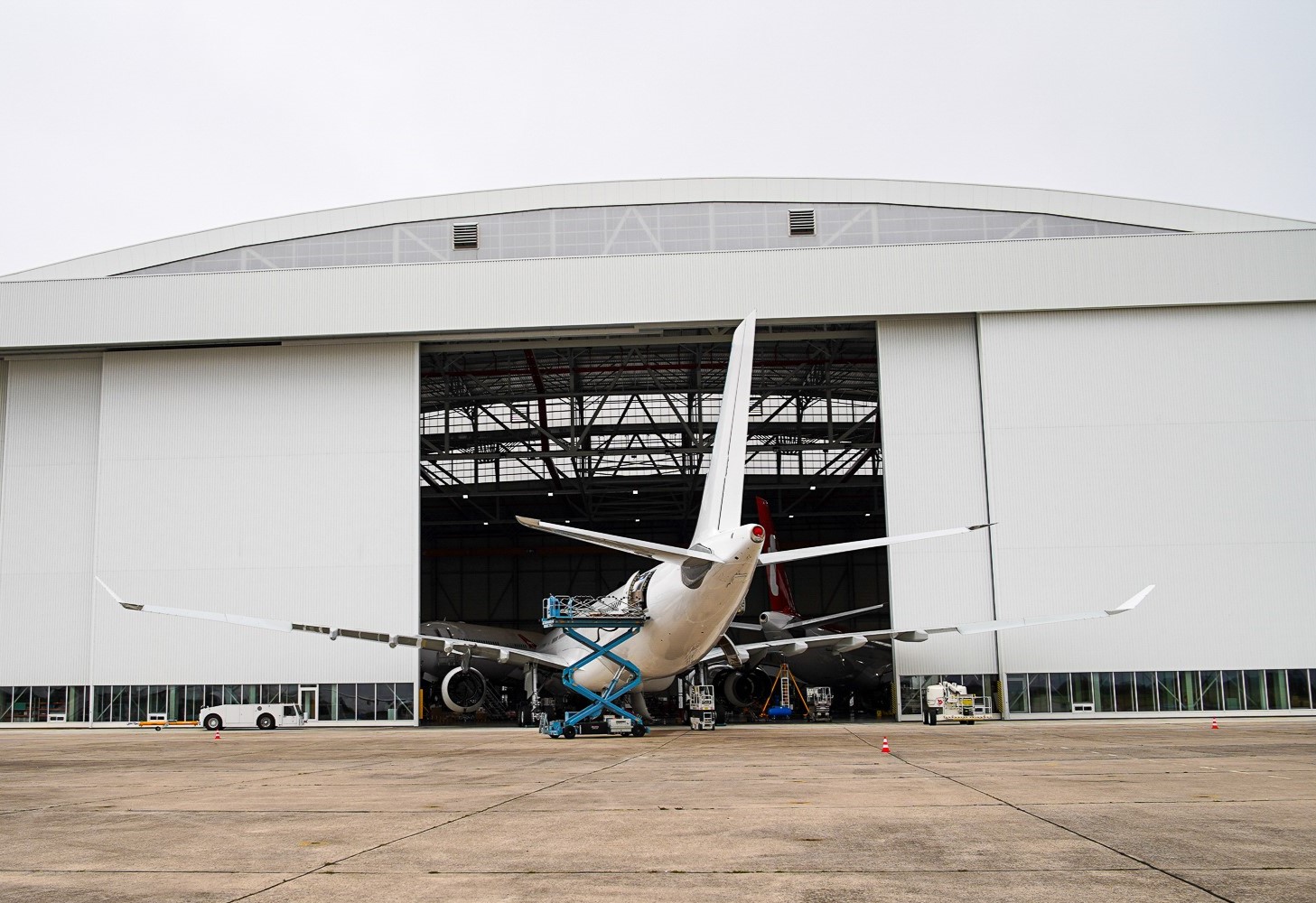
Freighter Trends – Component MRO Growth
In the September issue of Freighter Trends, Pascal Parant, Group Chief Commerical & Marketing Officer at Vallair, spoke about the growth of the component maintenance, repair and overhaul (MRO) sector.
He considers that the main motivations behind this growth are higher fleet utilisation and aging aircraft. “Current engine option (CEO) are remaining in service longer, which results in less used serviceable material (USM).” What is more, parts from original equipment manufacturers (OEMs) and their competition command high prices.
Parant also explores the role predictive maintenance and AI will have in the future of the industry. “At Vallair, we note that these tools have the ability to reduce unscheduled removals ad on-wing failures by up to 30% depending on the program and source. However, they will not extend component lifecycles; rather, they will optimise lifecycle management. Additionally, their effectiveness depends on data quality and volume – a solid historical baseline is essential to optimise AI. It is a powerful tool, but certainly not a universal remedy.”
To read the full article, click here.
Article courtesy of Freighter Trends.
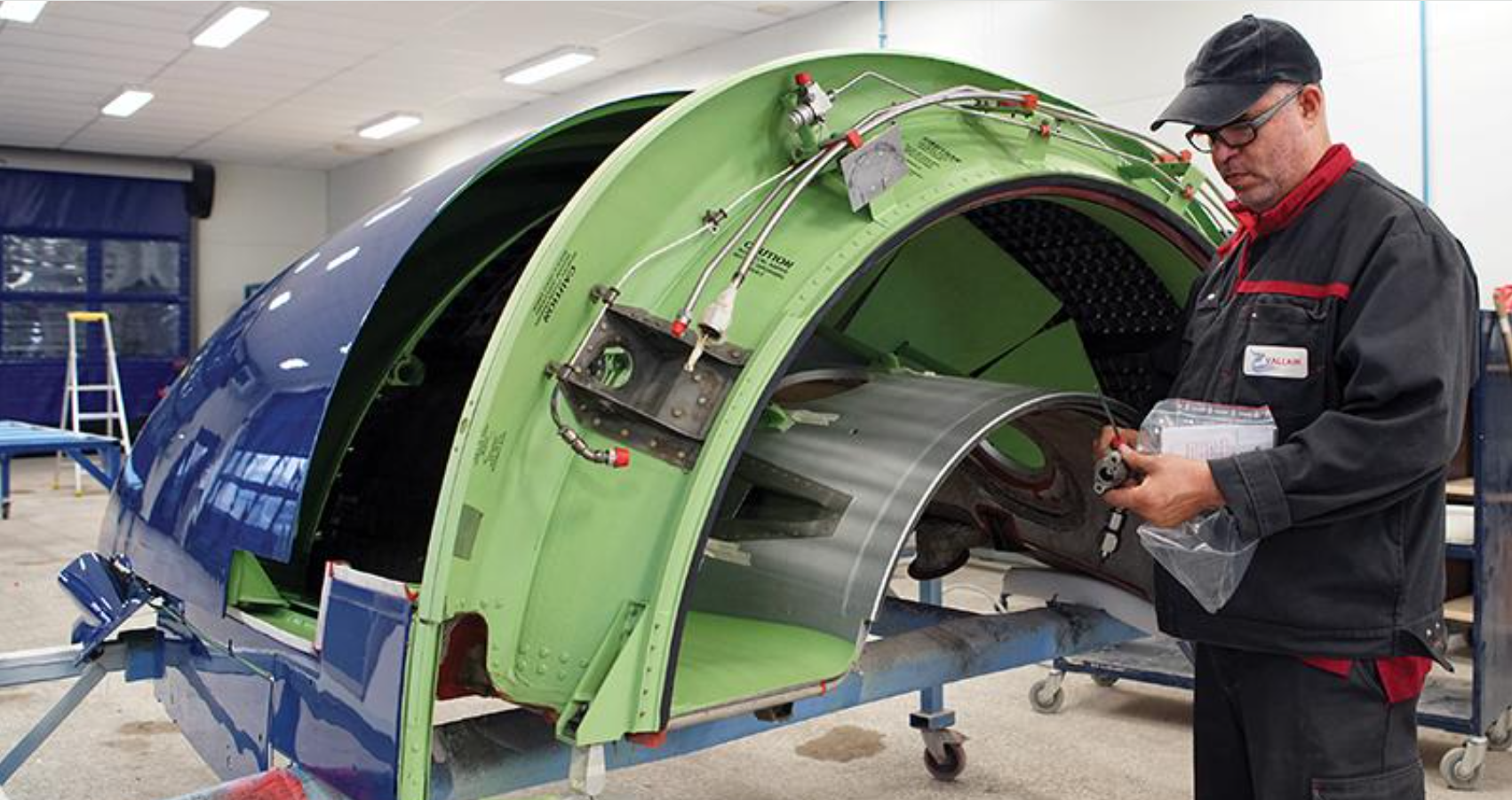
InsideMRO – Nacelles Designs Get Lighter, Stronger, and Less Complex
Vallair’s Operations Director – Aerostructures, Francois Fermaut, spoke to Paul Seidenman and David Spanovich about nacelle designs for the September 2025 issue of InsideMRO.
Reducing complexity is paving the way for the next generation of nacelle designs, explains Fermaut. Thanks to the availability of new materials and moves to decrease the number of moving parts, nacelles of the future will be lighter and more durable. “Combined with streamlined designs, part count minimisation and simplified control systems, Vallair sees the industry is on track to continue reducing nacelle weight, enhancing fuel efficiency, lowering emissions and reducing the cost of production.”
To read the full article, click here.
Article courtesy of Aviation Week Network.
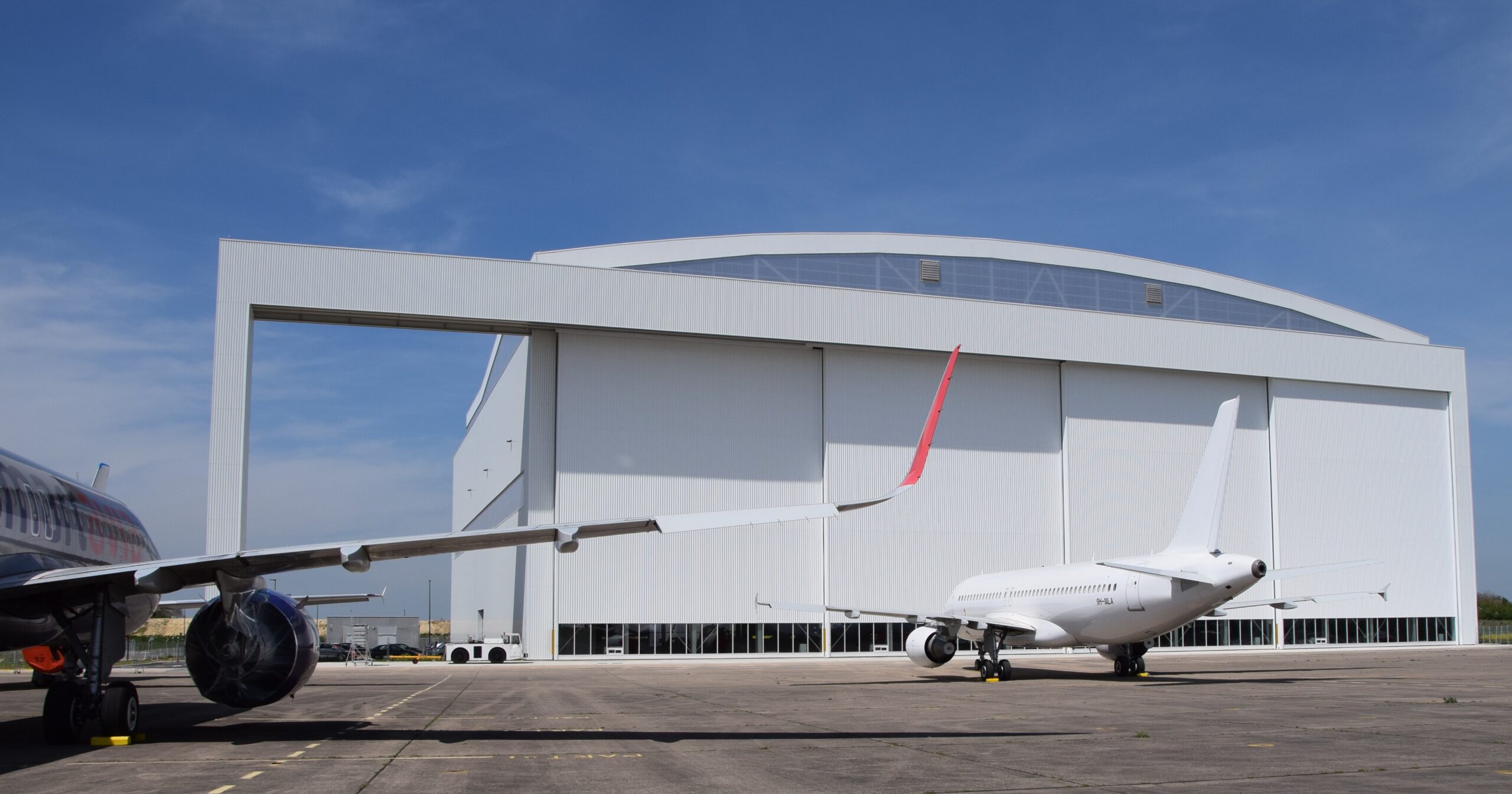
Freighter Trends – The Maintenance Implications of Aging Fleets and OEM Delays
In the June 2025 issue of Freighter Trends, our Group Chief Commercial & Marketing Officer, Pascal Parant, discusses the ageing fleet implications for global maintenance demand amid OEM delivery delays.
Parant comments on the factors that are currently driving demand, “We are experiencing a perfect storm. Since 2019, approximately 2,000 aircraft that were expected to be produced have not been delivered. In some ways, this is a positive outcome – had they been produced we would now be facing issues related to over capacity.”
To read the full article, click here.
Article courtesy of Freighter Trends.