
Interview Transcript, English:
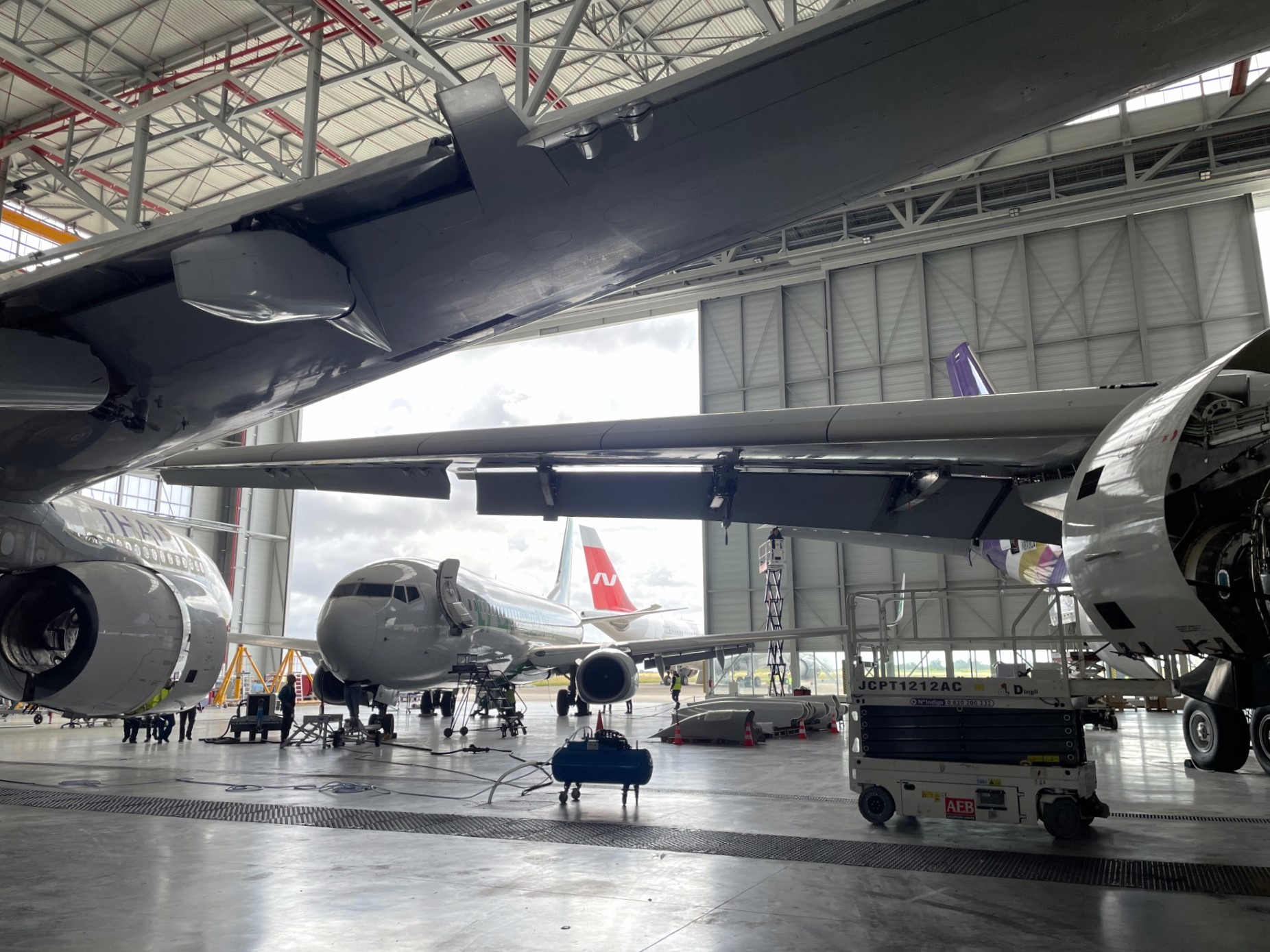
The Vallair group of companies was created by Grégoire Lebigot in 2003 with facilities/offices in Châteauroux, Montpellier, and Luxembourg. There are two major sectors: aeronautical maintenance, which includes 240 employees (120 in Montpellier / 120 in Châteauroux). The remaining team work on asset management activities, spare parts sales, and aircraft conversion focusing on Airbus A320 / Airbus A330 / Boeing 737. The new state-of-the-art hangar in Châteauroux can house the Airbus A380, but also several A330s, and up to 5 or 6 Airbus A320s. There are only about 20 hangars of this size worldwide.
What is your expertise?
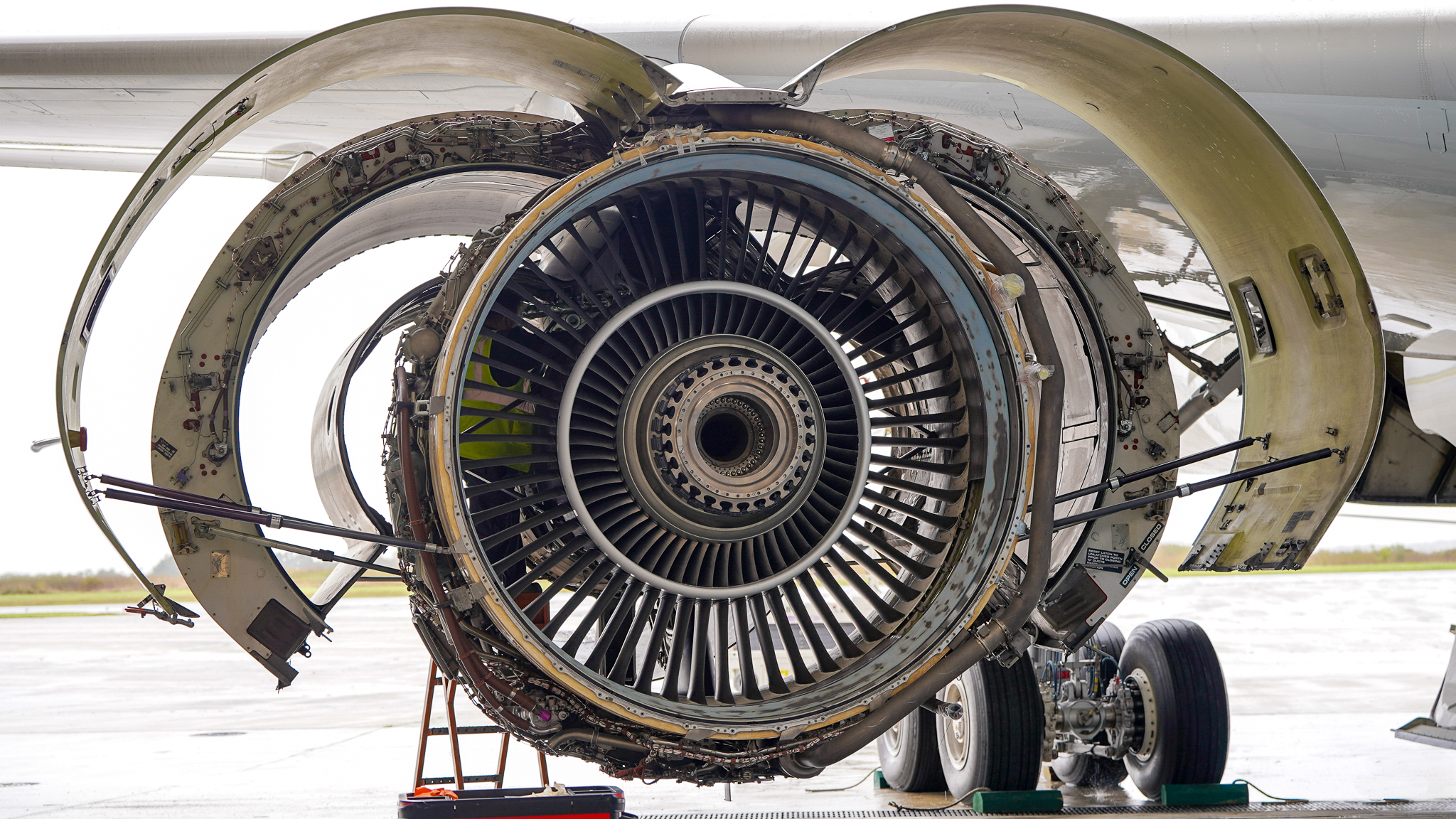
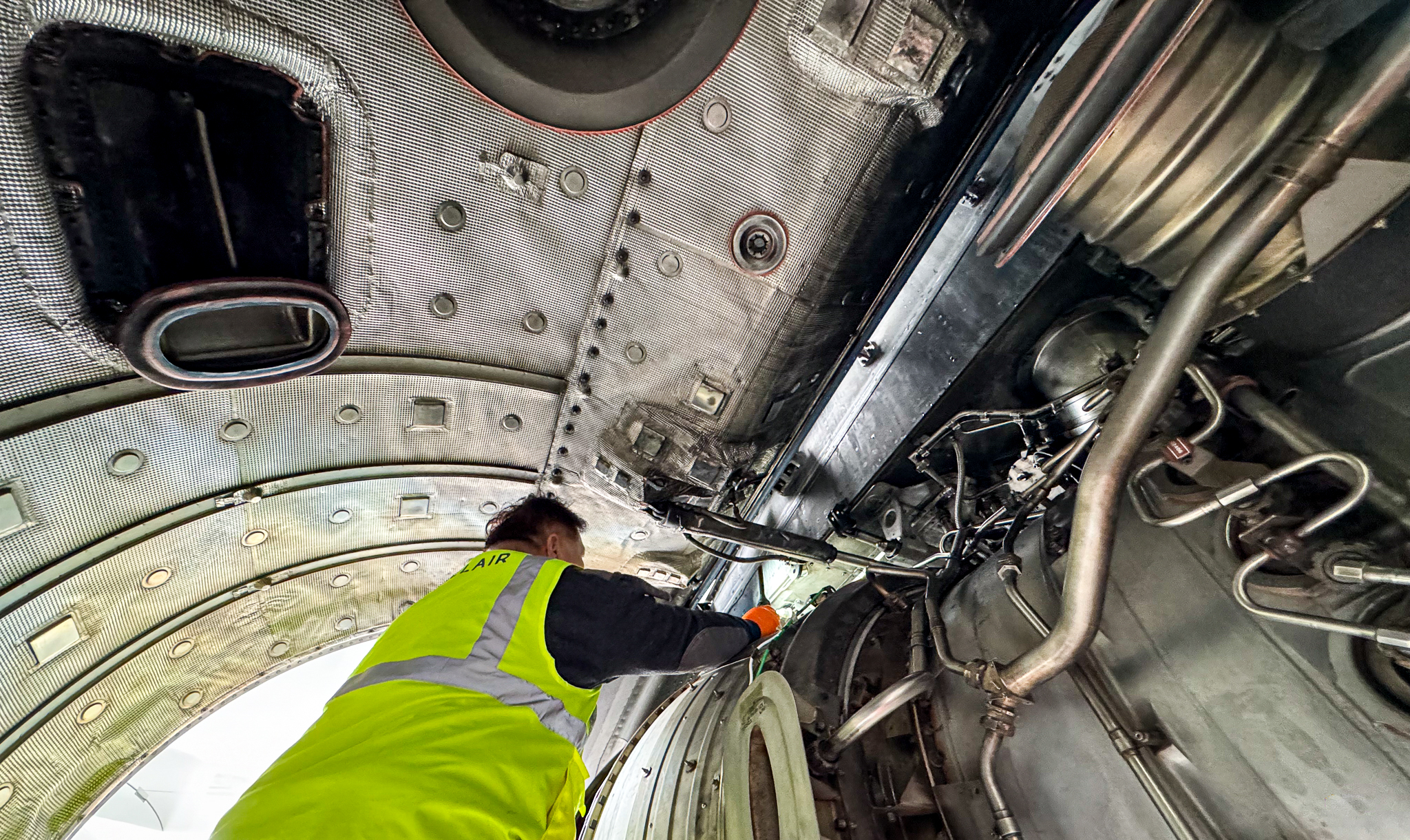
Vallair intervenes after the aircraft are manufactured; they need constant maintenance before every take-off and after every landing. This ranges from “line maintenance” performed at major airports like Paris Orly or Charles de Gaulle, to “base maintenance,” which requires hangars for heavier maintenance visits – up to 10,000 or 15,000 hours of work per plane – and which sometimes ground an aircraft for several months.
Do you resell parts, for example to Safran, a large company in Issoudun?
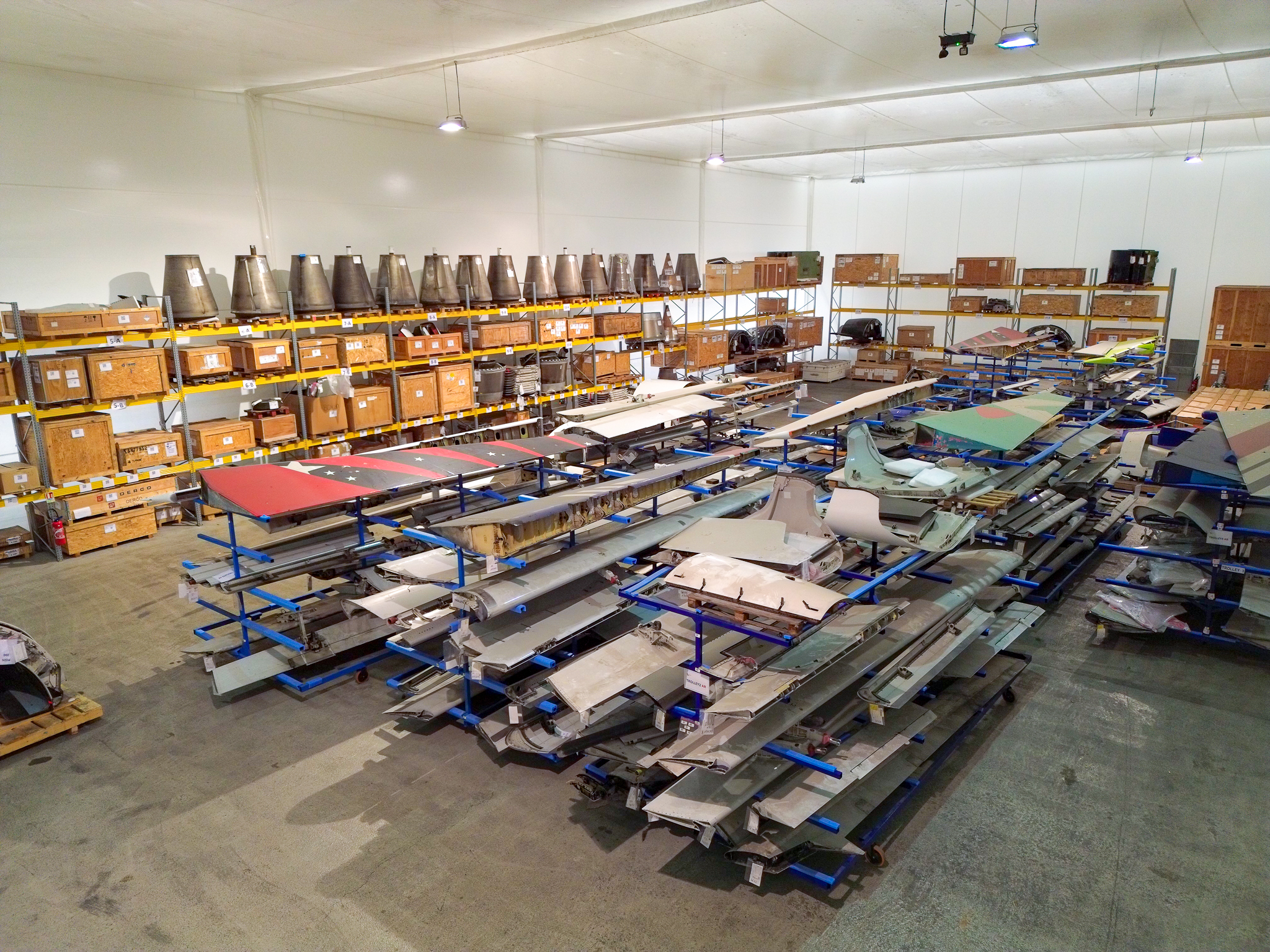
Yes, in parallel, Vallair has an asset management activity that consists of buying mature aircraft, dismantling them in Châteauroux, and trading the parts. This includes Safran, with whom we have a strong partnership. We sell them landing gears, but they also send us customers so that landing gears can be replaced in our hangars.
Have you experienced any disruptions regarding the health of the company?
We had very strong post-COVID growth in 2022, 2023, and 2024, with turnover in the industrial sector rising from US$20 million to US$57 million. Then, there was a “correction” year in 2025, where we went from US$57 million to less than US$40 million – it was quite brutal. This is the nature of air transport; the cycles can be quite sudden.
Were there fewer flights?
No, perhaps even more. After COVID, there was a “maintenance bubble,” meaning that many airlines had delayed their maintenance programmes because planes weren’t flying, or were flying less. When things re-started post-COVID, maintenance needs were very significant, which supported our growth and was very welcome, especially as we had leased this hangar for 15 years. However, 2025 saw a rather sharp slowdown, which is typical of what we see in air transport. You have to balance maintenance with other activities like aircraft conversion and aviation customers other than airlines. We also need to manage the seasonality phenomenon. Airlines fly in the summer – from March 31 to October 30 – and prefer to schedule maintenance during the winter. So, at Vallair we must have high capacity in the winter and find other projects for the summer.
What is your forecast for the coming years?
2026 will be a year of steady consolidation, and we are very confident about returning to stability by 2027. Airbus and Boeing are delivering more planes every day; airlines have never needed aircraft as much as they do now. The global fleet is ageing – the average age of an aircraft is 15 years today. Therefore, the more mature a plane is, the more maintenance it requires. Even if, regarding the post-COVID situation, the “good resolutions” are behind us and European airlines may be inclined to outsource their maintenance further East or further South, we remain confident.
You have a message to get across: training is very important to you?
Training is essential in these professions, which are, of course, highly regulated, standardised, and monitored which is also vital. Training is the key to stabilising an activity and making it sustainable. Training a technician takes 5 years; a pilot takes 18 months, but a technician takes 5 years. A technician becomes an expert with 10 or 15 years of experience. So, investing now is very unrewarding because we will only reap the rewards in 5 or 10 years’ time. But it is essential, so we rely on our own training school called “Aircraft Academy,” which has its own Airbus A321 to allow us to be more agile with training. As you can imagine, allowing apprentice technicians to learn their trade on our customers’ planes is complicated.
If there are young people listening to us, what types of profiles are you looking for?
We are looking for “Bac Professionnel” (vocational high school diploma), and the CAP or BEP tracks also work. Also, we have a good partnership with Greta and the Blaise Pascal high school. We are capable of taking a young person who has never seen an airplane in their curriculum – for example, from an industrial vocational background – and we will turn them into an aircraft technician. After a few years, they will have a “Part 66” licence, which will allow them to certify their own work and that of their colleagues.
Are you planning on keeping them in the region?
Yes, that is essential. We invest heavily; it represents thousands of hours of training. A technician spends about 20% of their time in training, either through initial training or what we call recurrent training. Every time a technician works on a new type of aircraft, it requires new training with a full associated programme. For us, it is essential to be able to keep them with us for as long as possible.
Does that also contribute to the attractiveness of this region?
Exactly.
A final message?
Many talk about the re-industrialisation of our country, and at Vallair, we are actually doing it. It’s a big challenge, a daily battle, but I am deeply committed to it; for me, it is very important. We cannot leave our territory or our country abandoned and simply accept that all these activities will eventually go elsewhere.
We thank you very much for stopping by our studios.
To read watch the full interview in French on BipTV, click here.